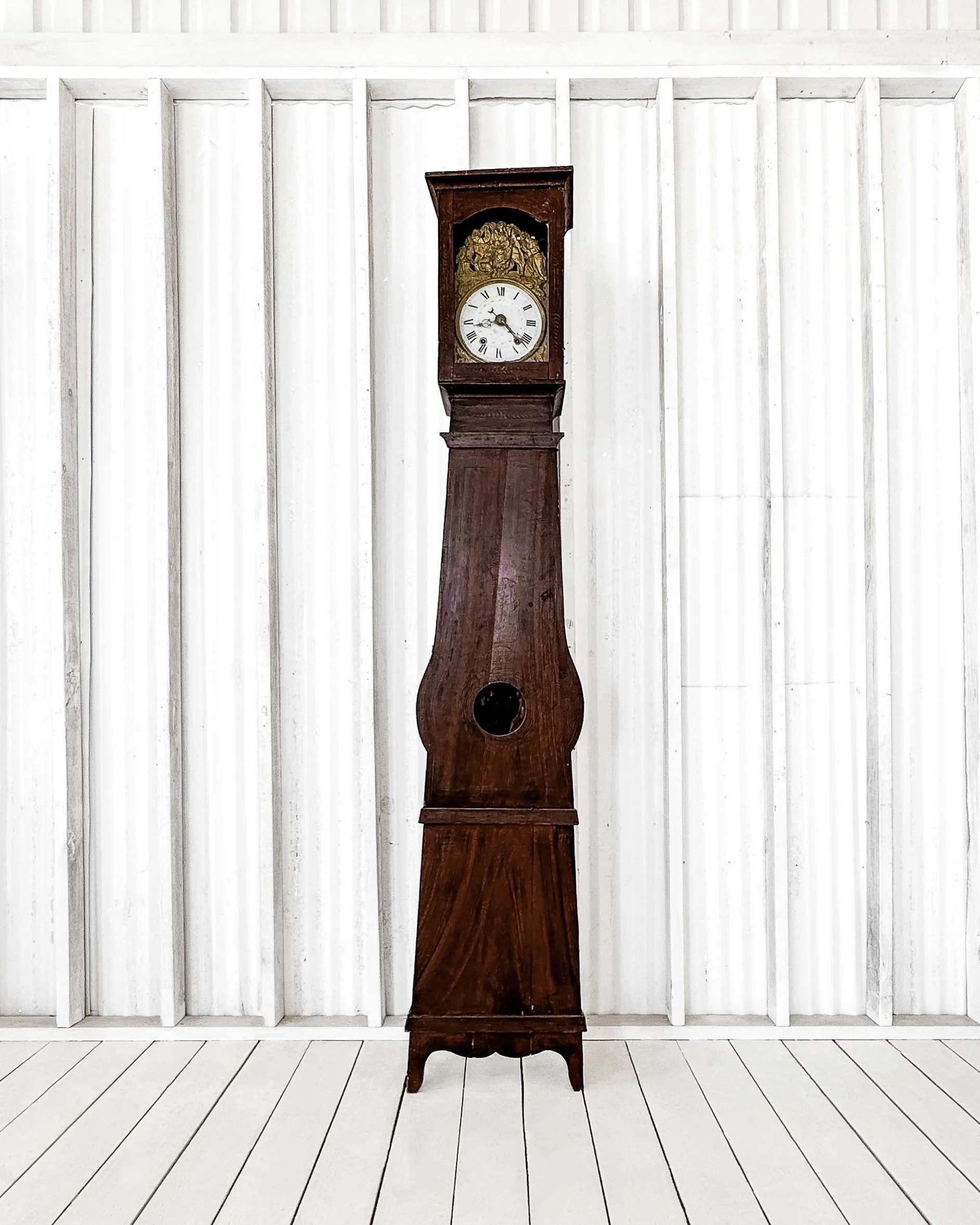
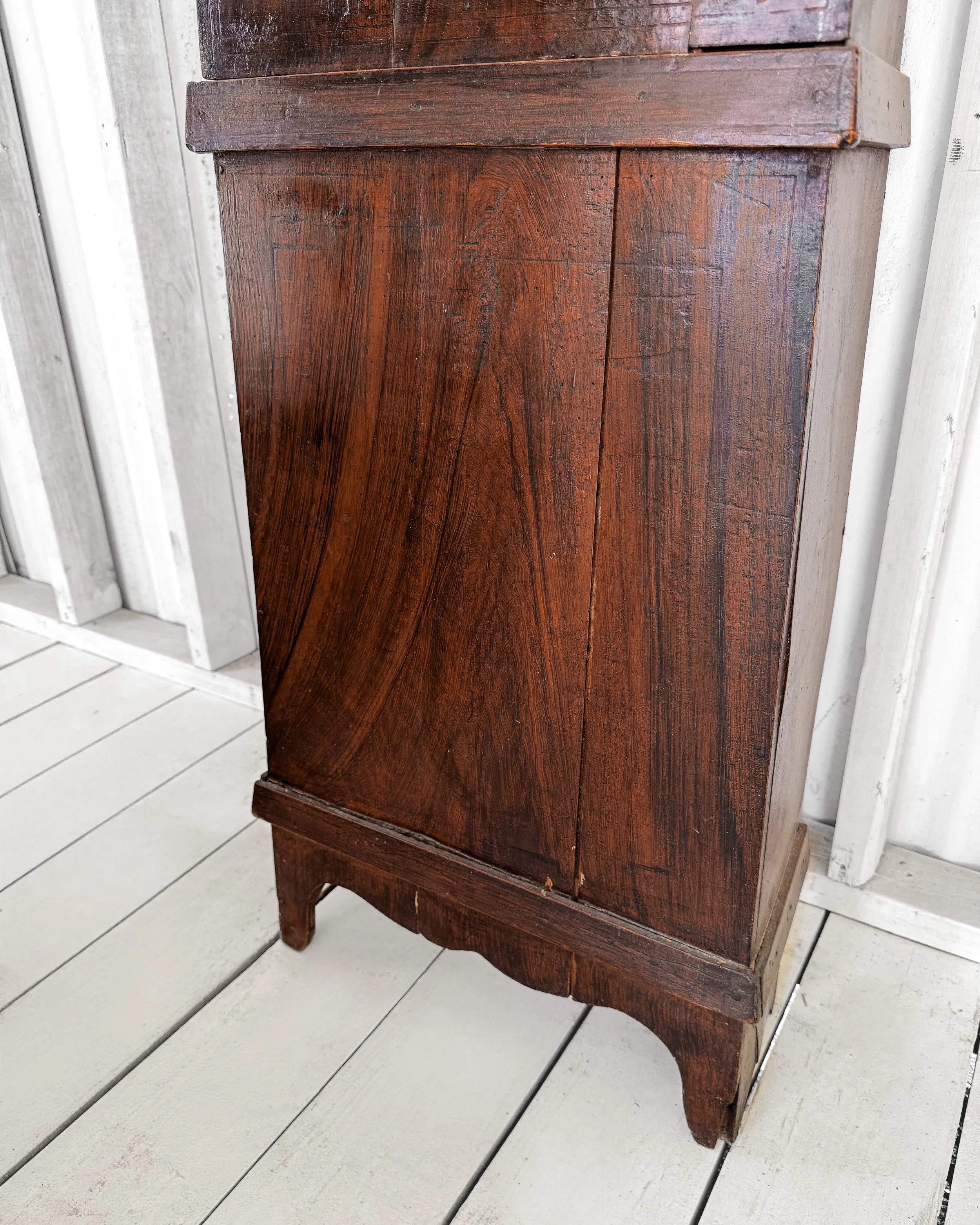
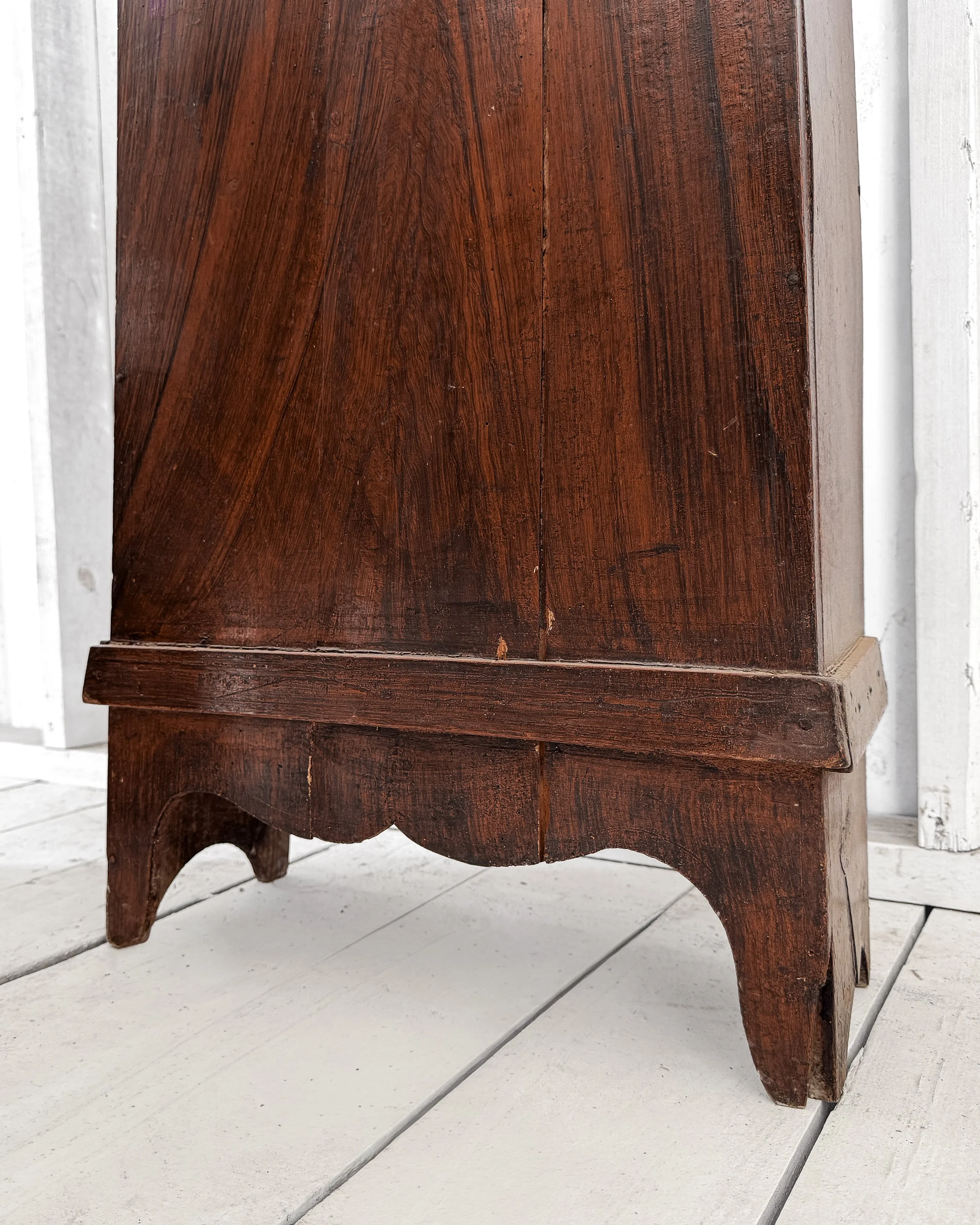
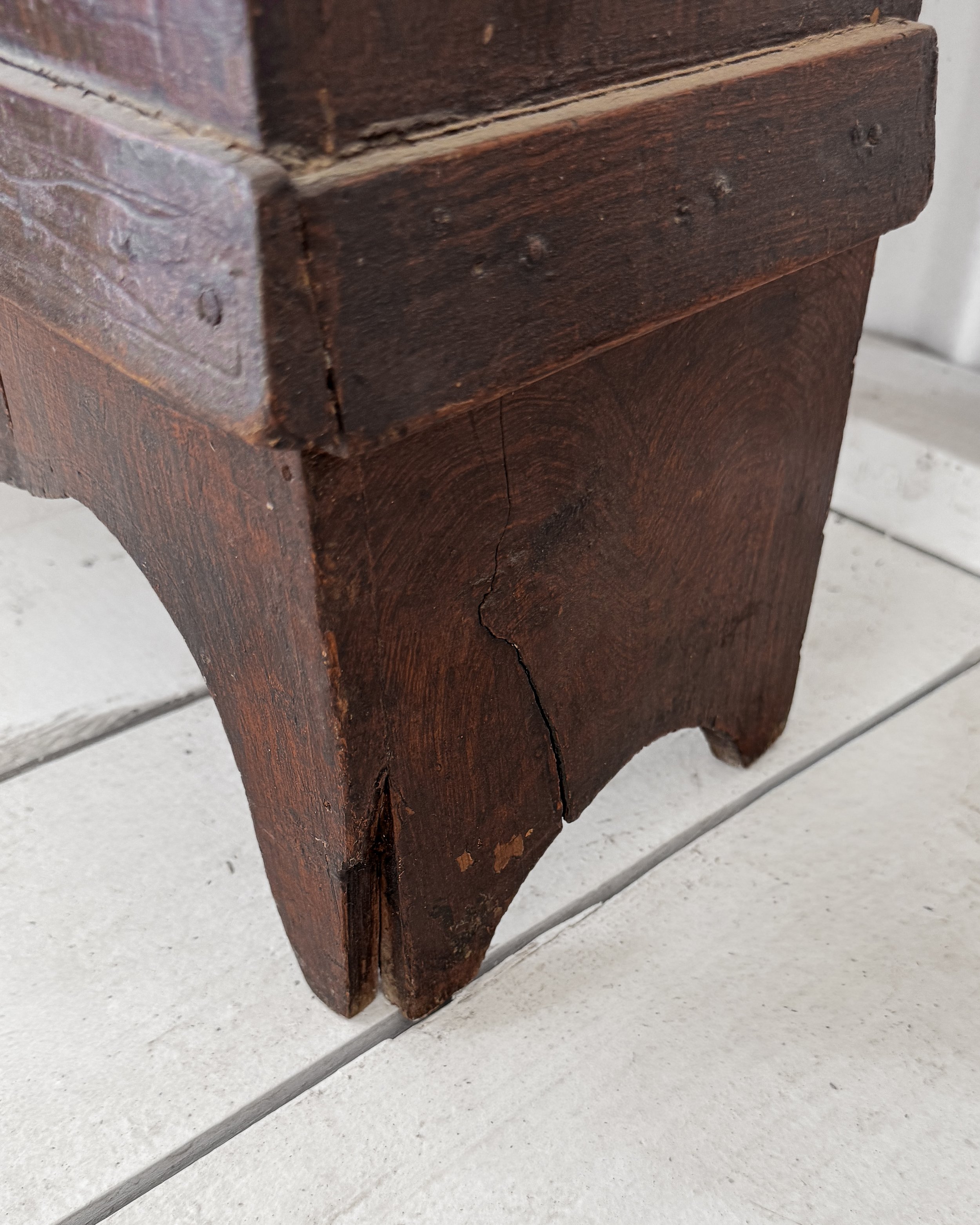
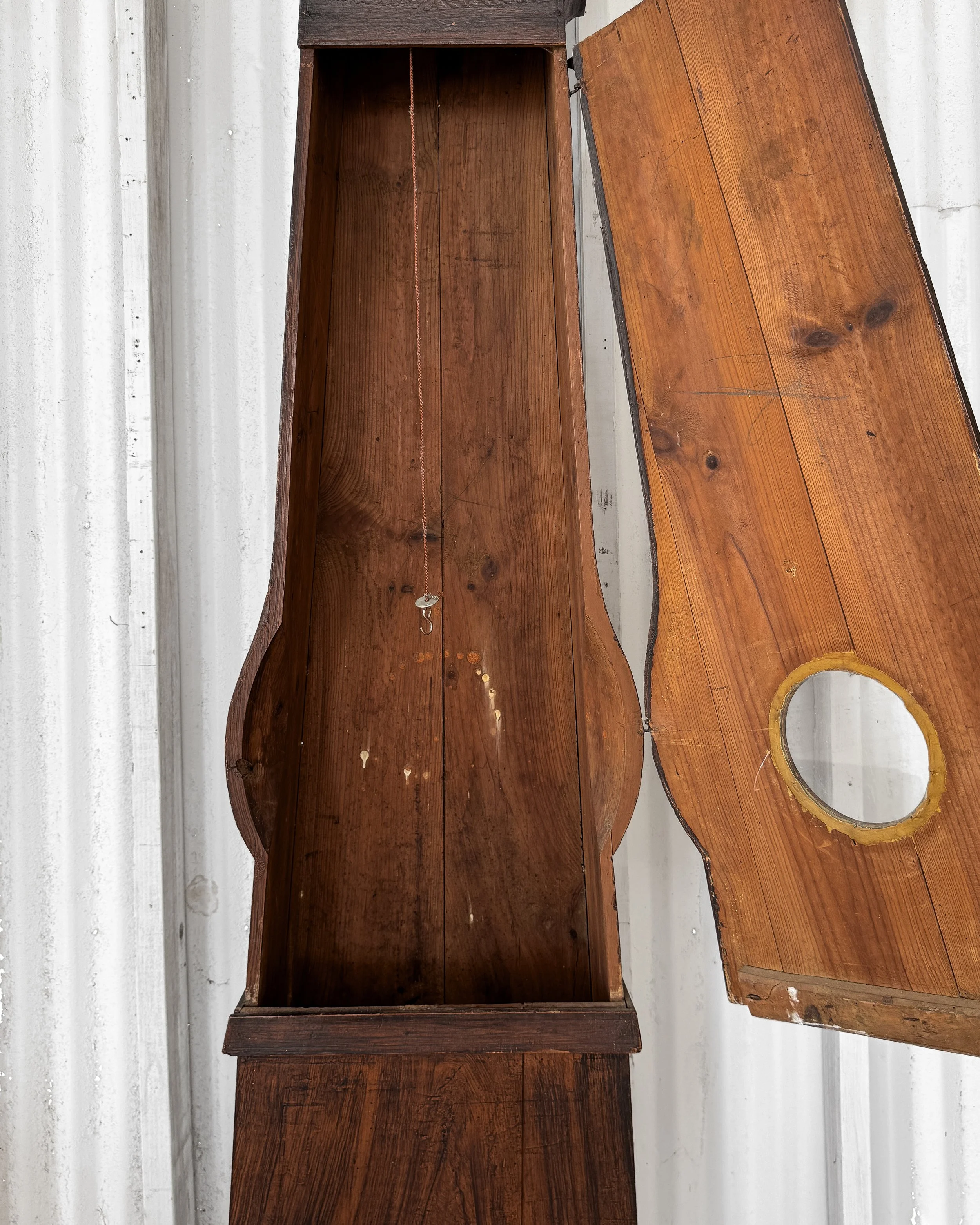
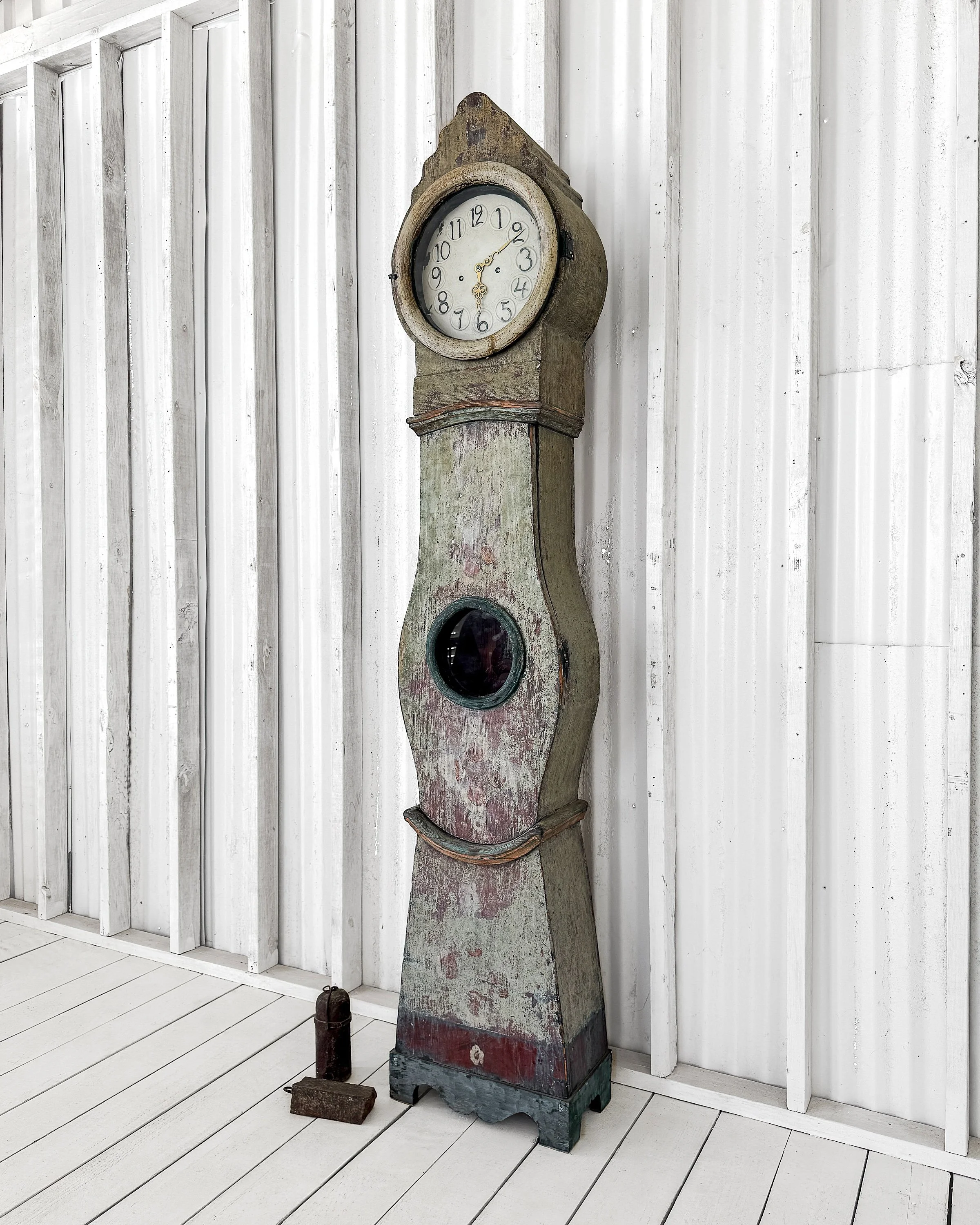
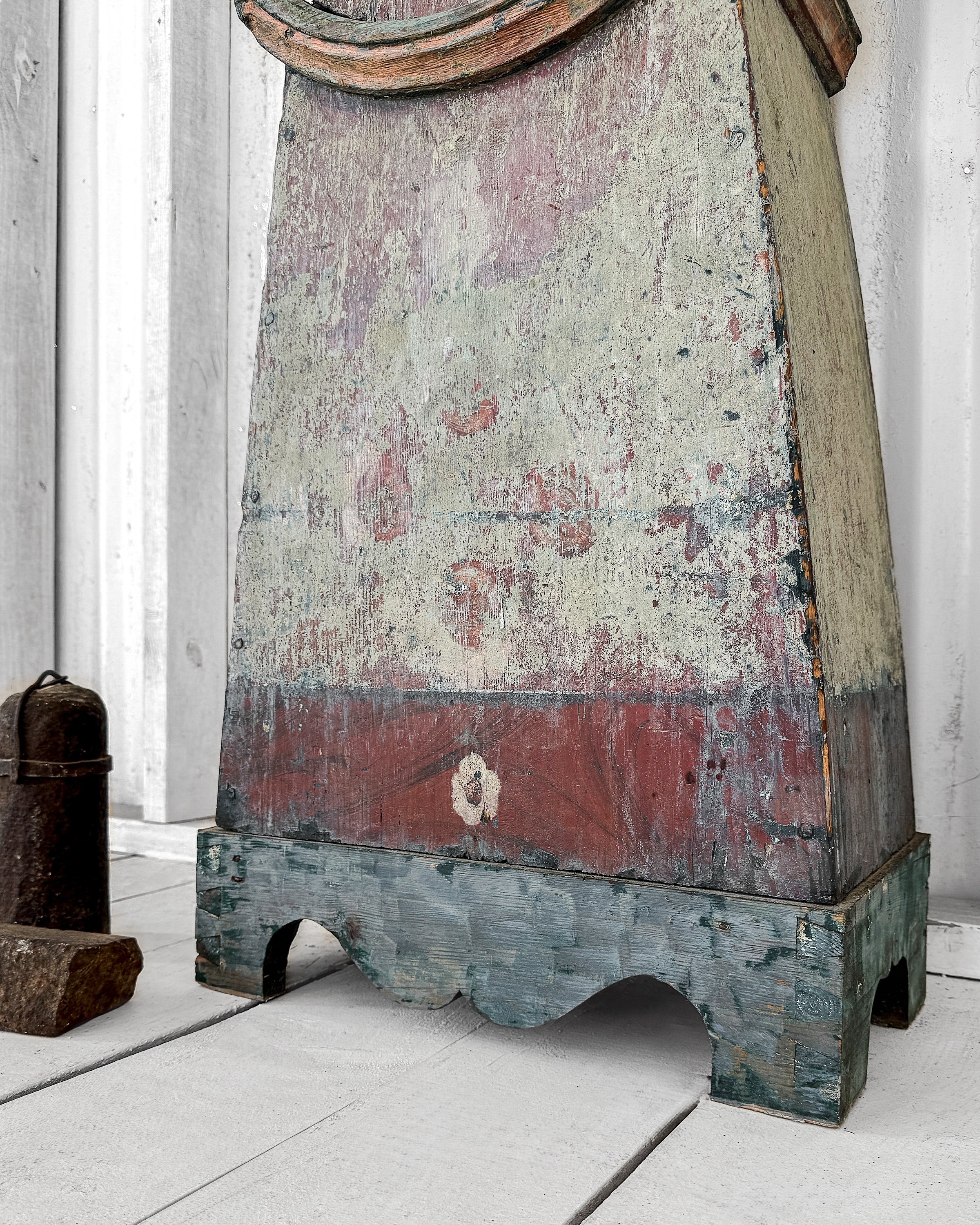
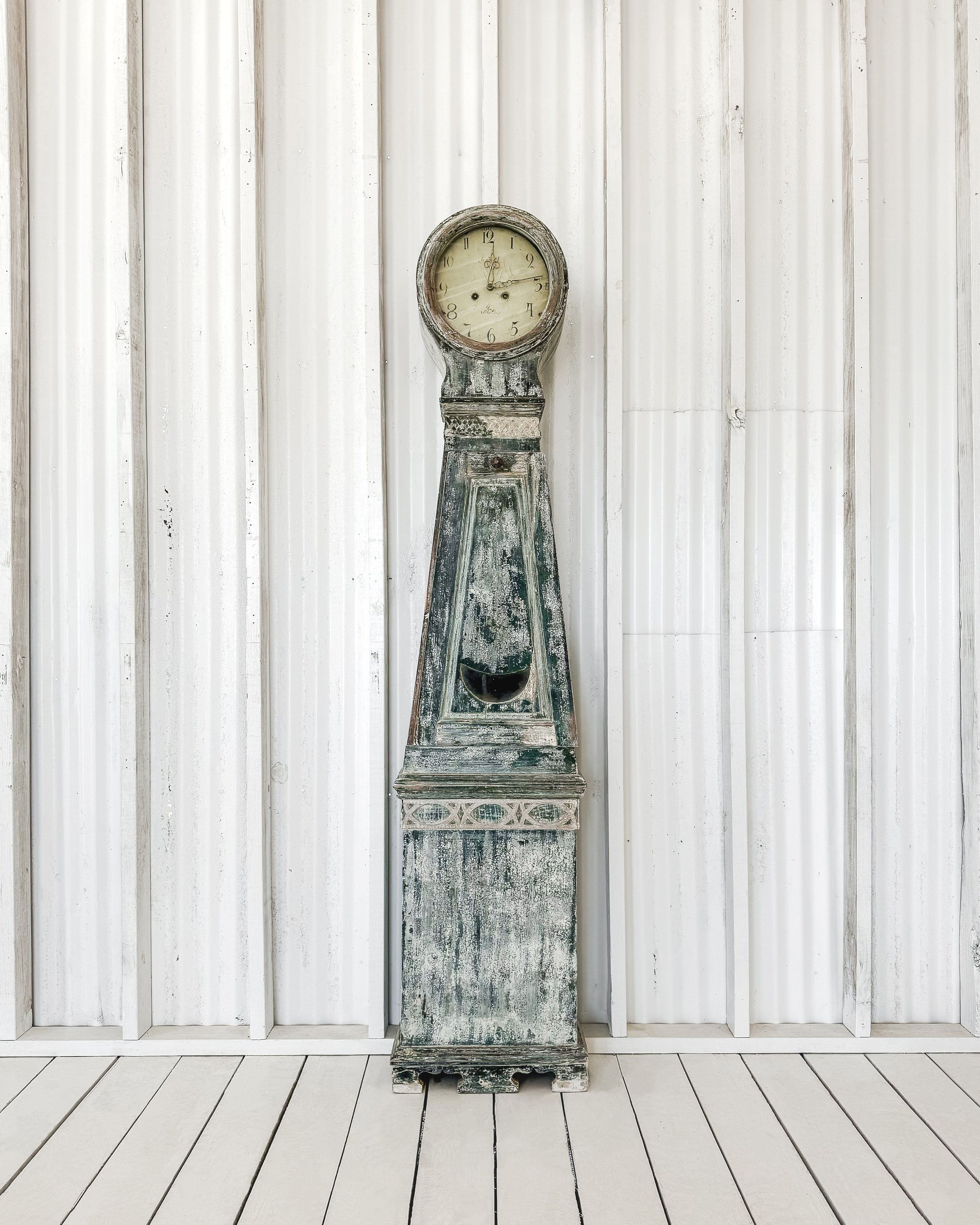
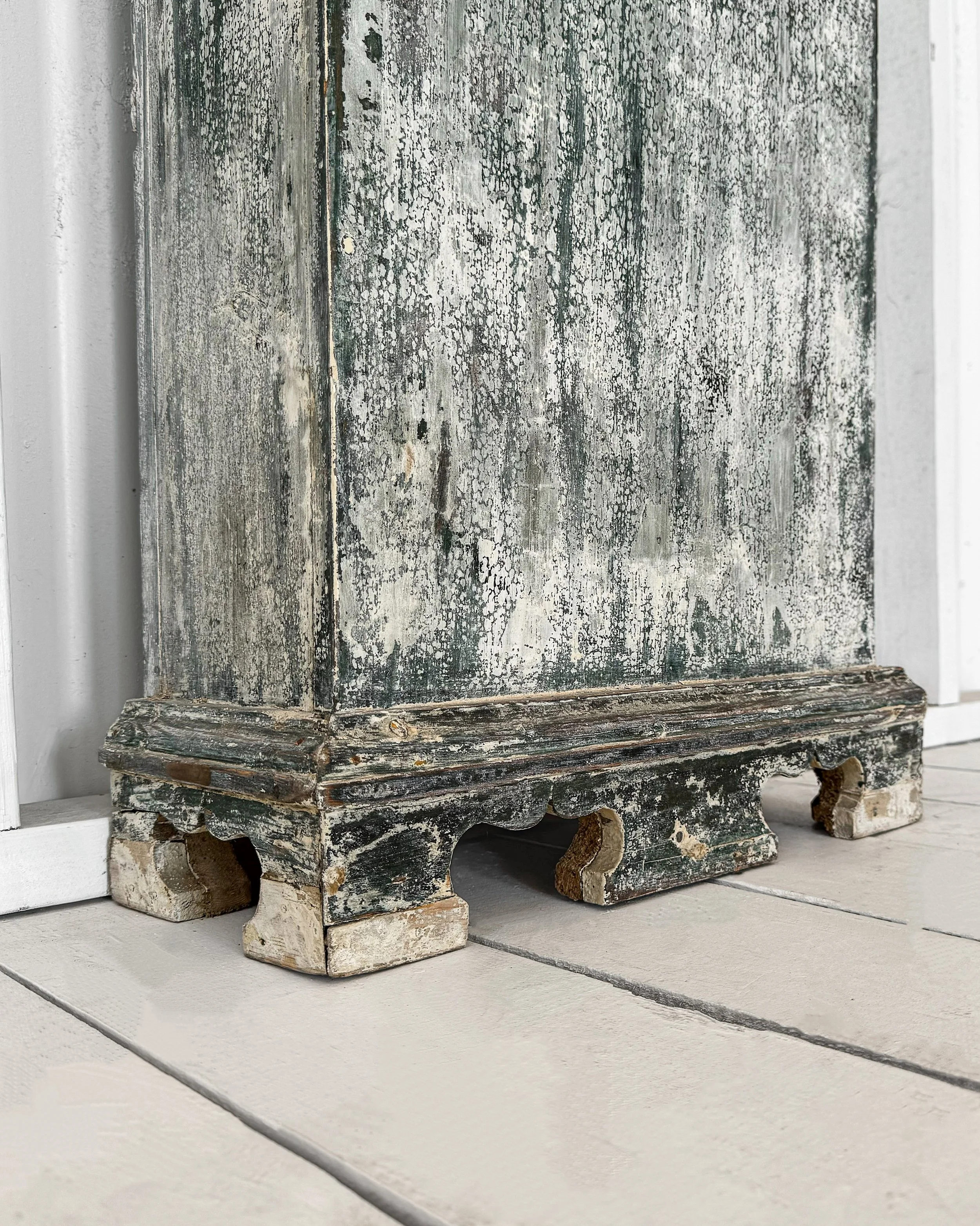
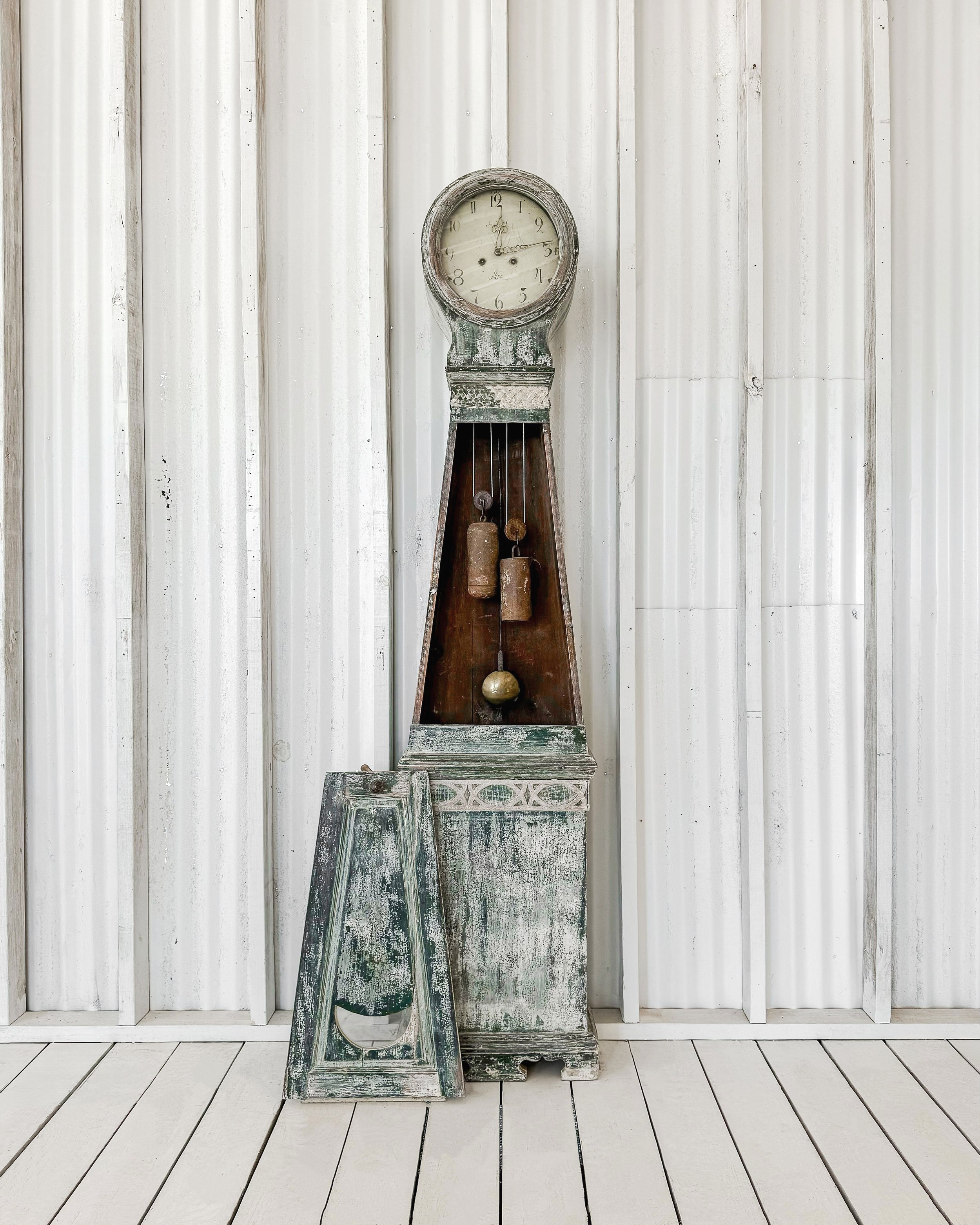
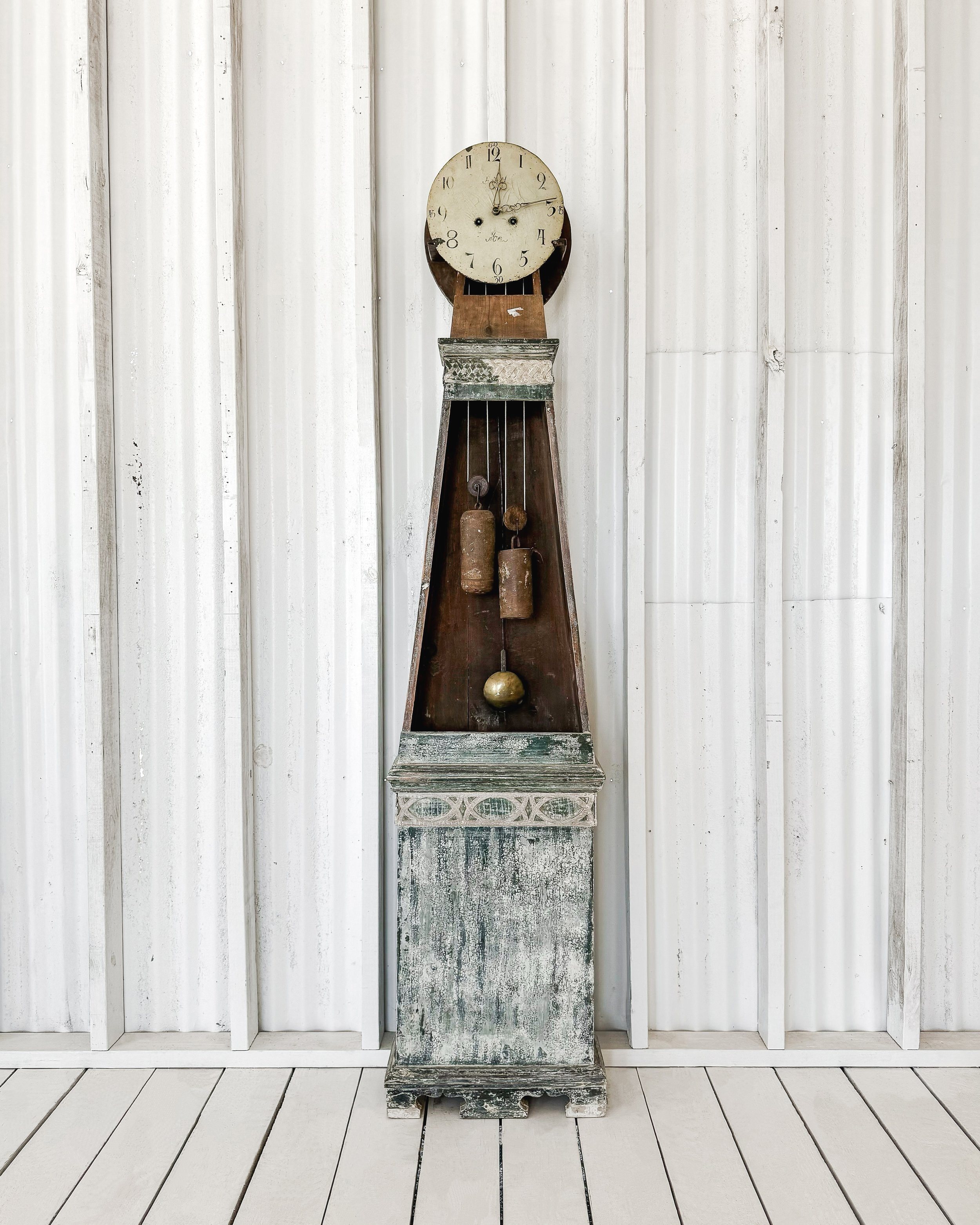
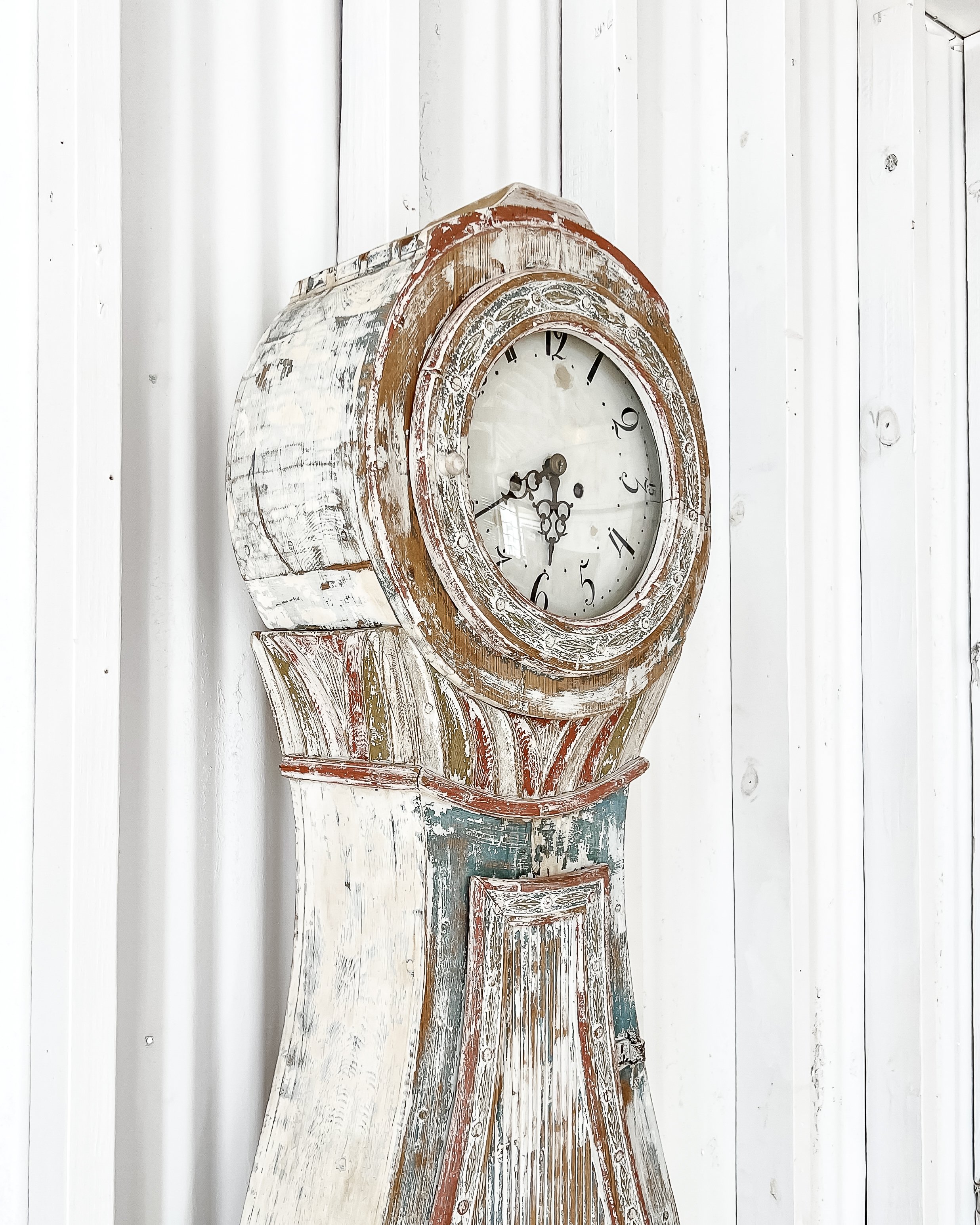
Handcrafted in the early 19th-century, this longcase clock embodies the rural craftsmanship and folk traditions of central Sweden. The pine case features the classic Mora silhouette with softly waisted sides, a shaped base, and an elongated crown, giving the piece a strong architectural presence while retaining its vernacular roots.
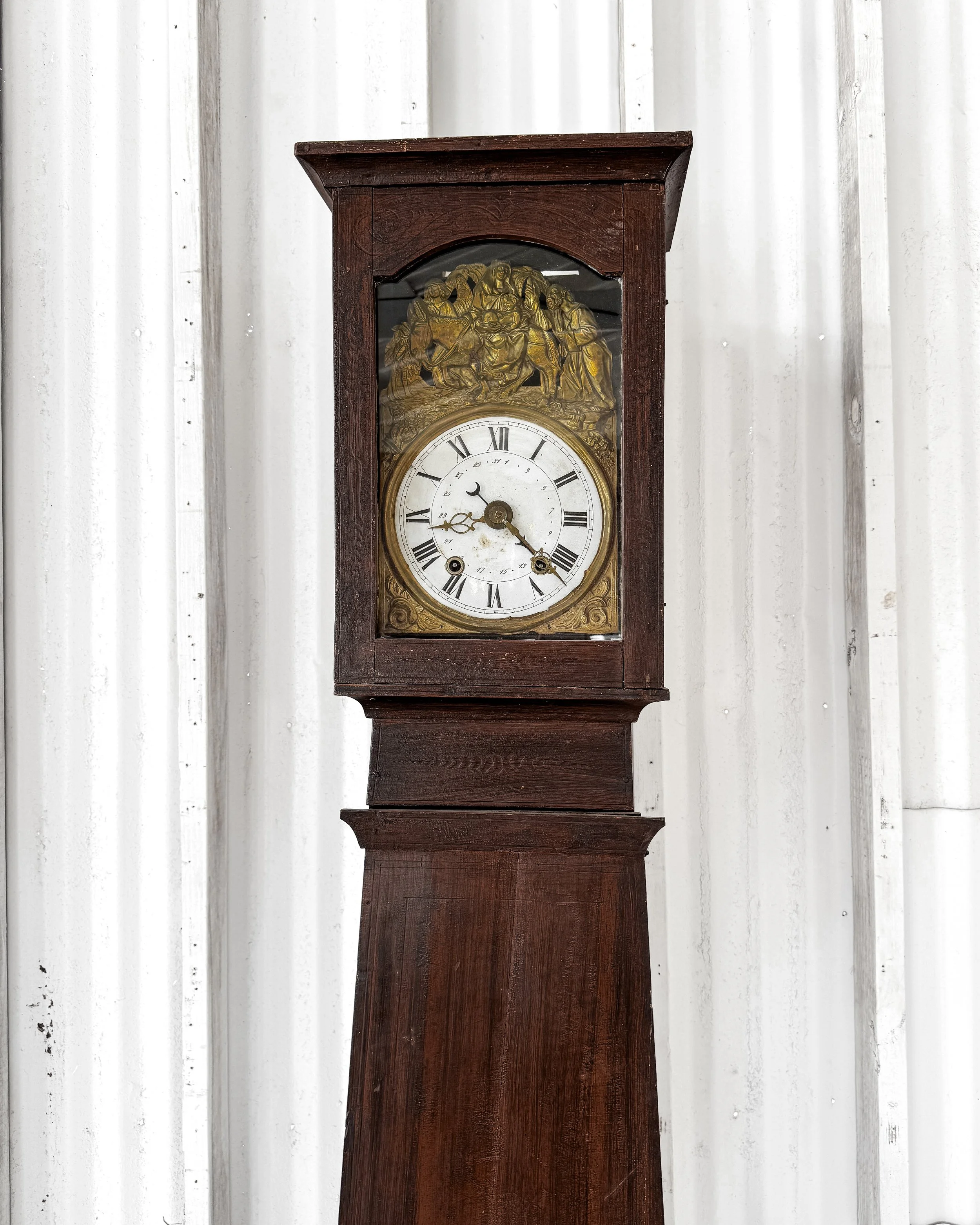
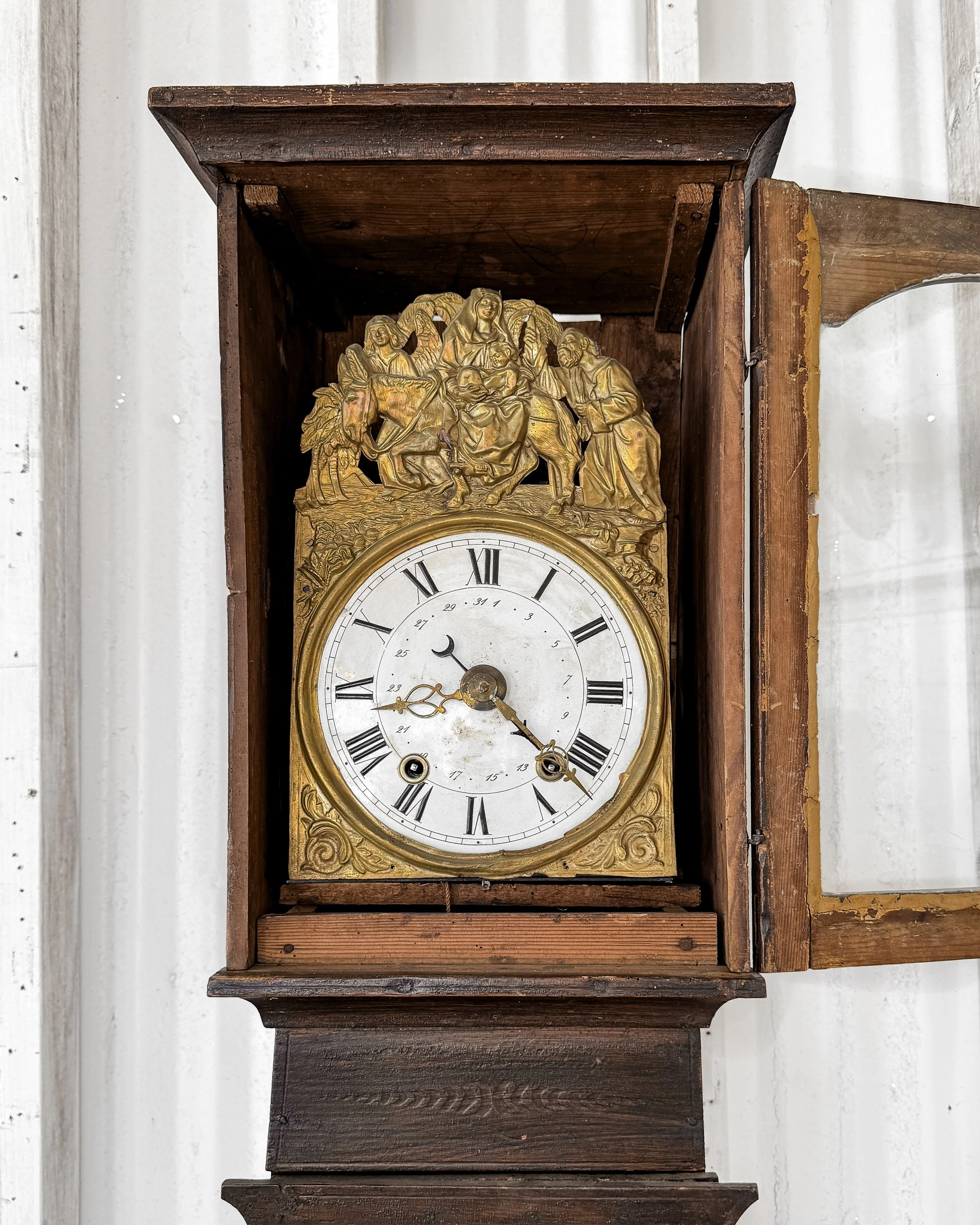
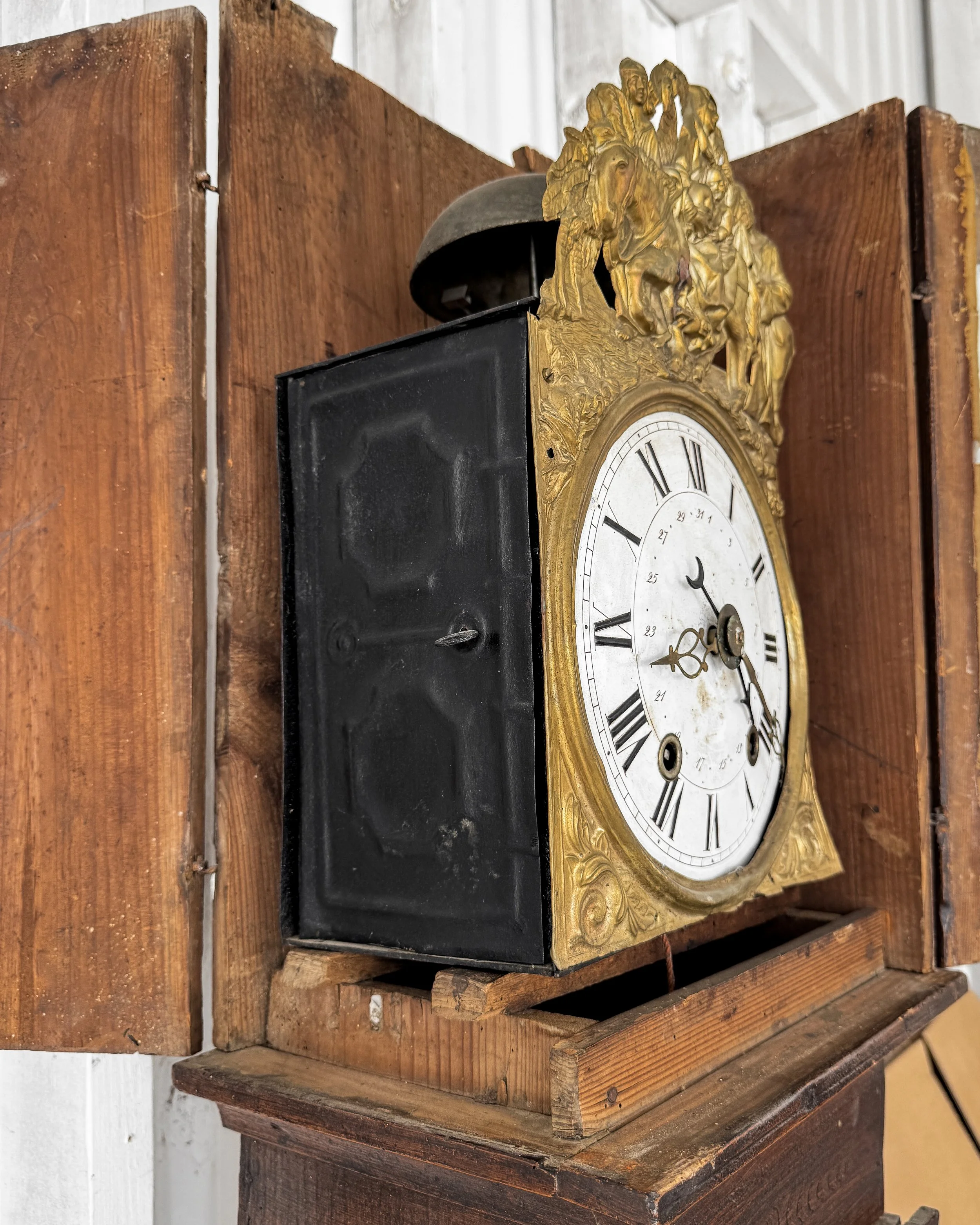
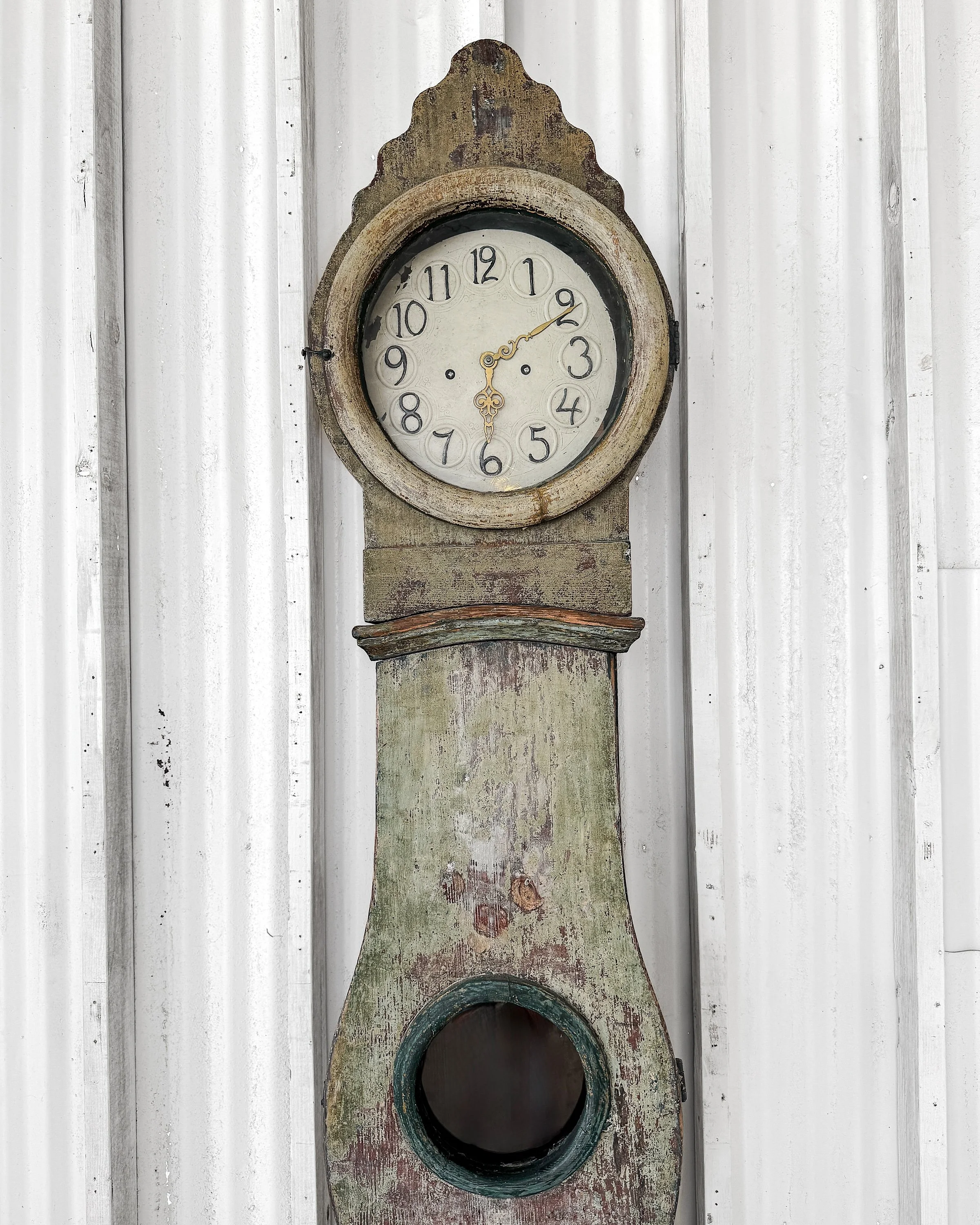
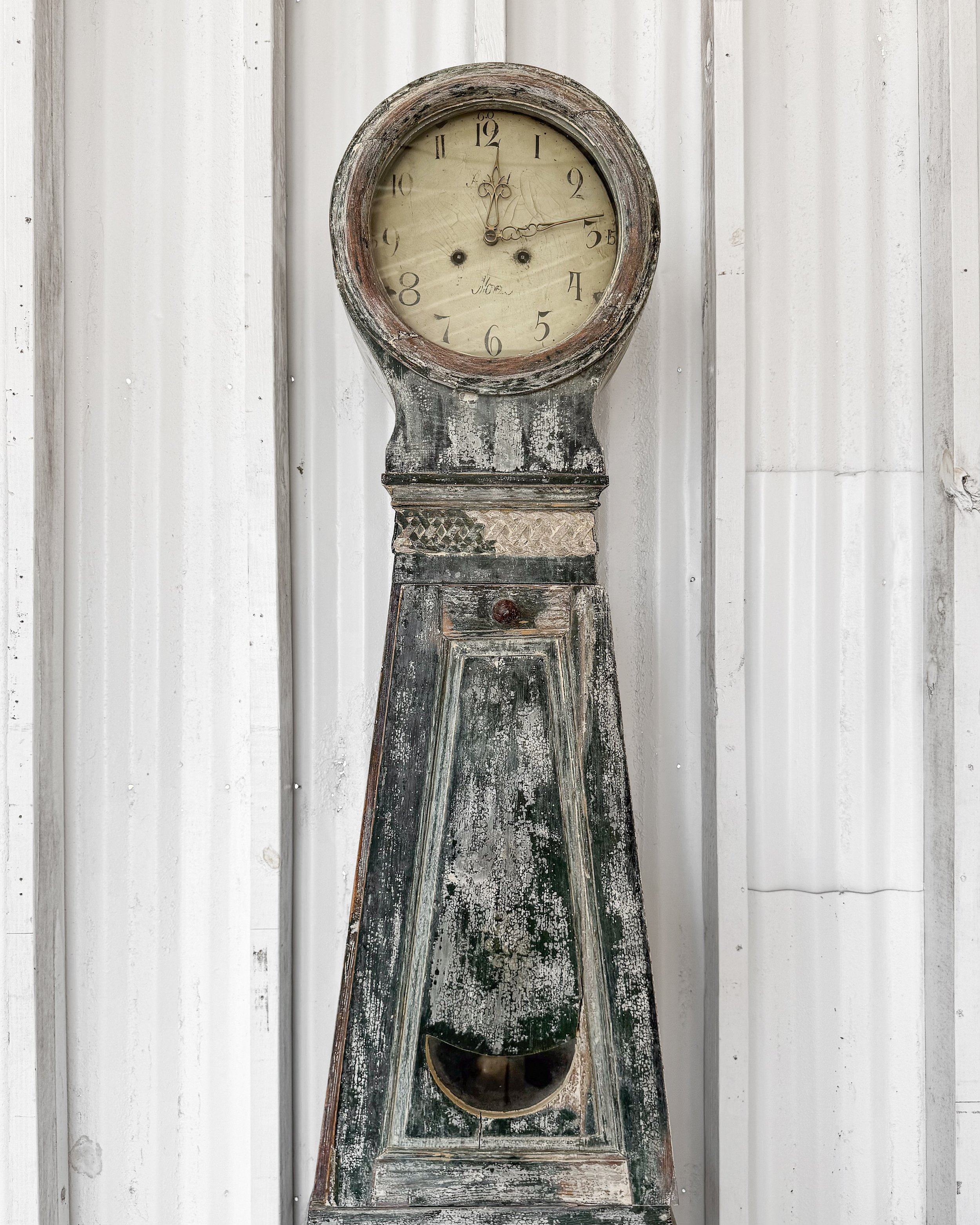
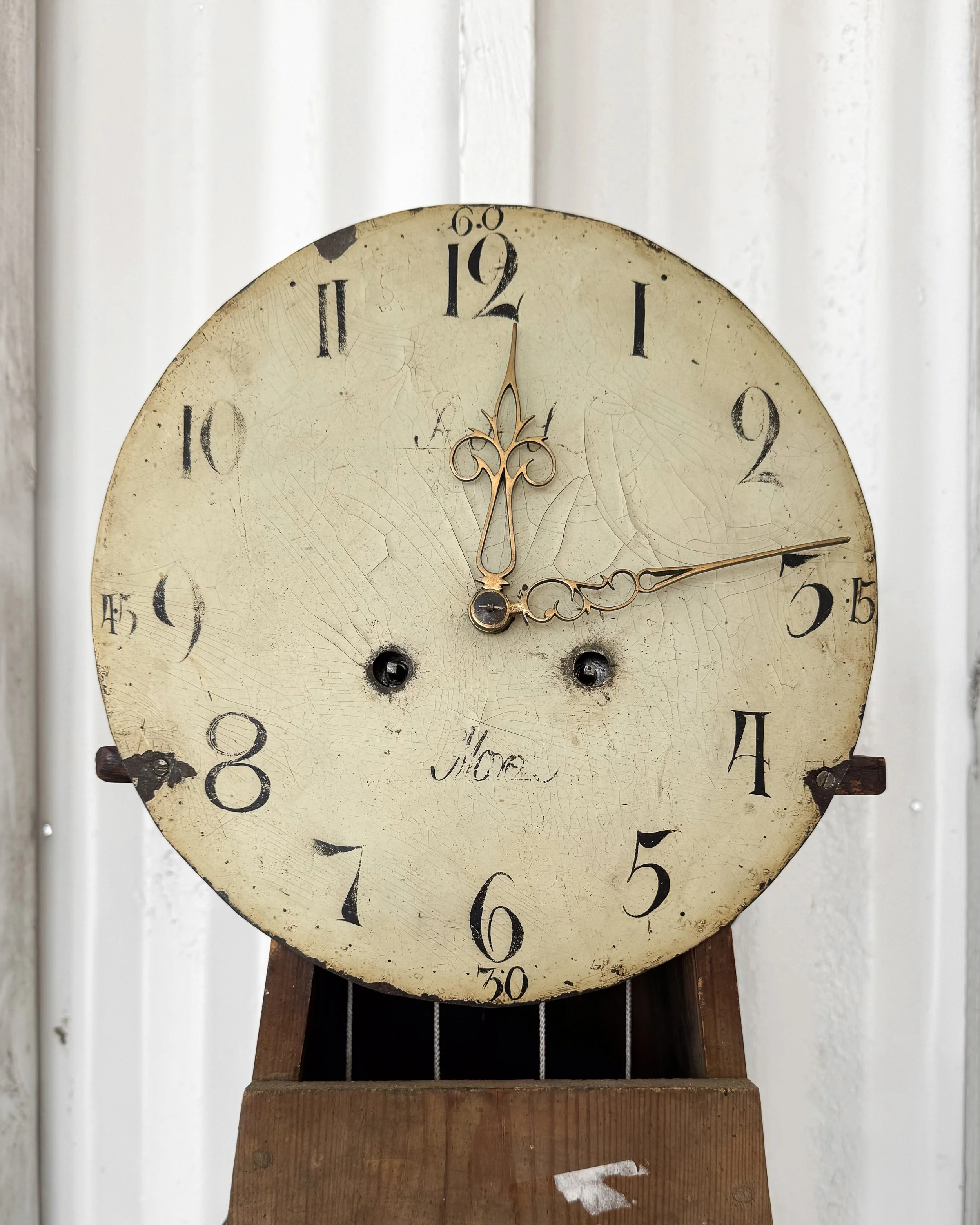
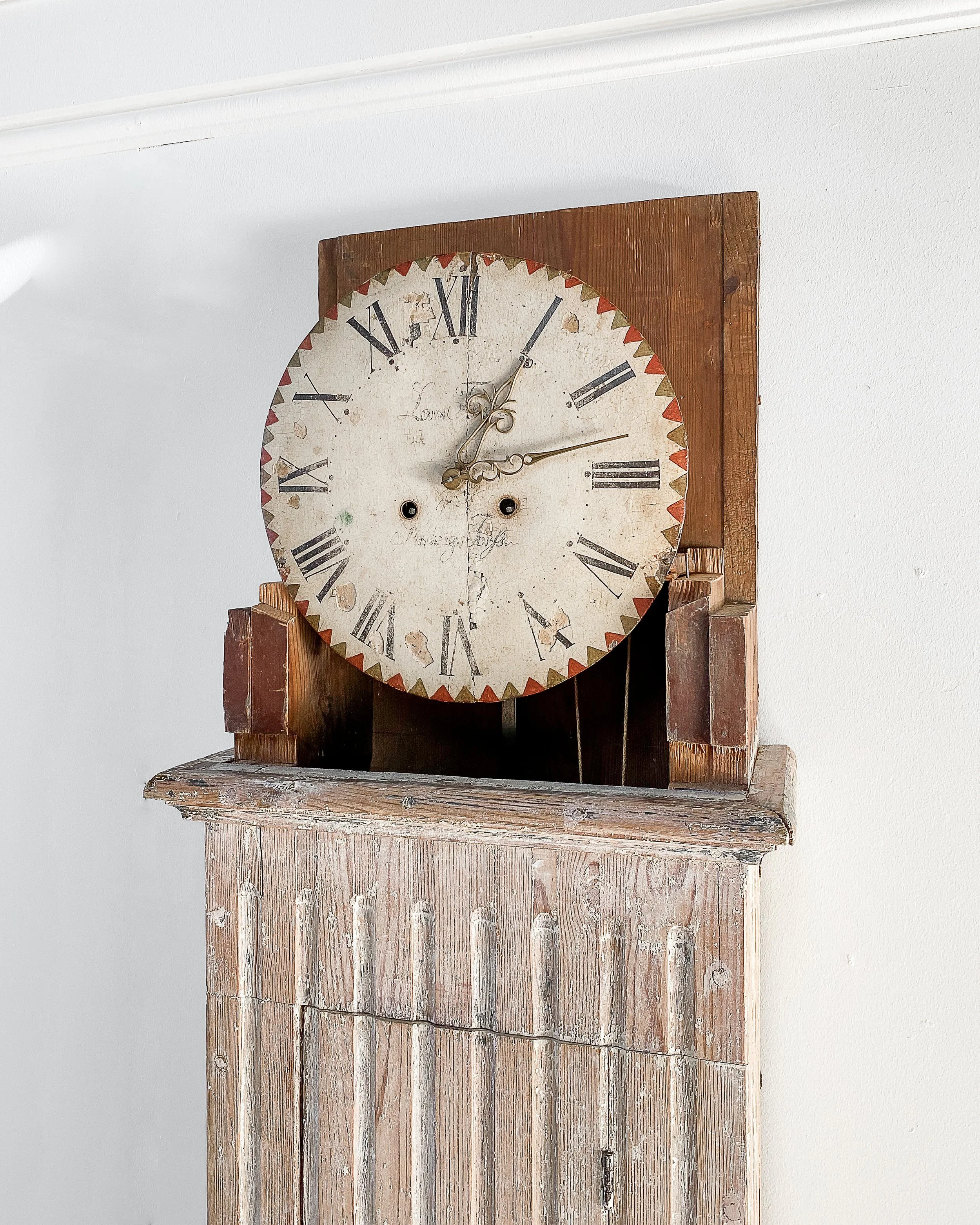
The painted dial is signed by Johan Wallin, a known Swedish clockmaker active during the late 18th and early 19th centuries. Roman numerals and pierced metal hands rest beneath gently aged glass, lending the clock a quiet authority and sense of time passed.
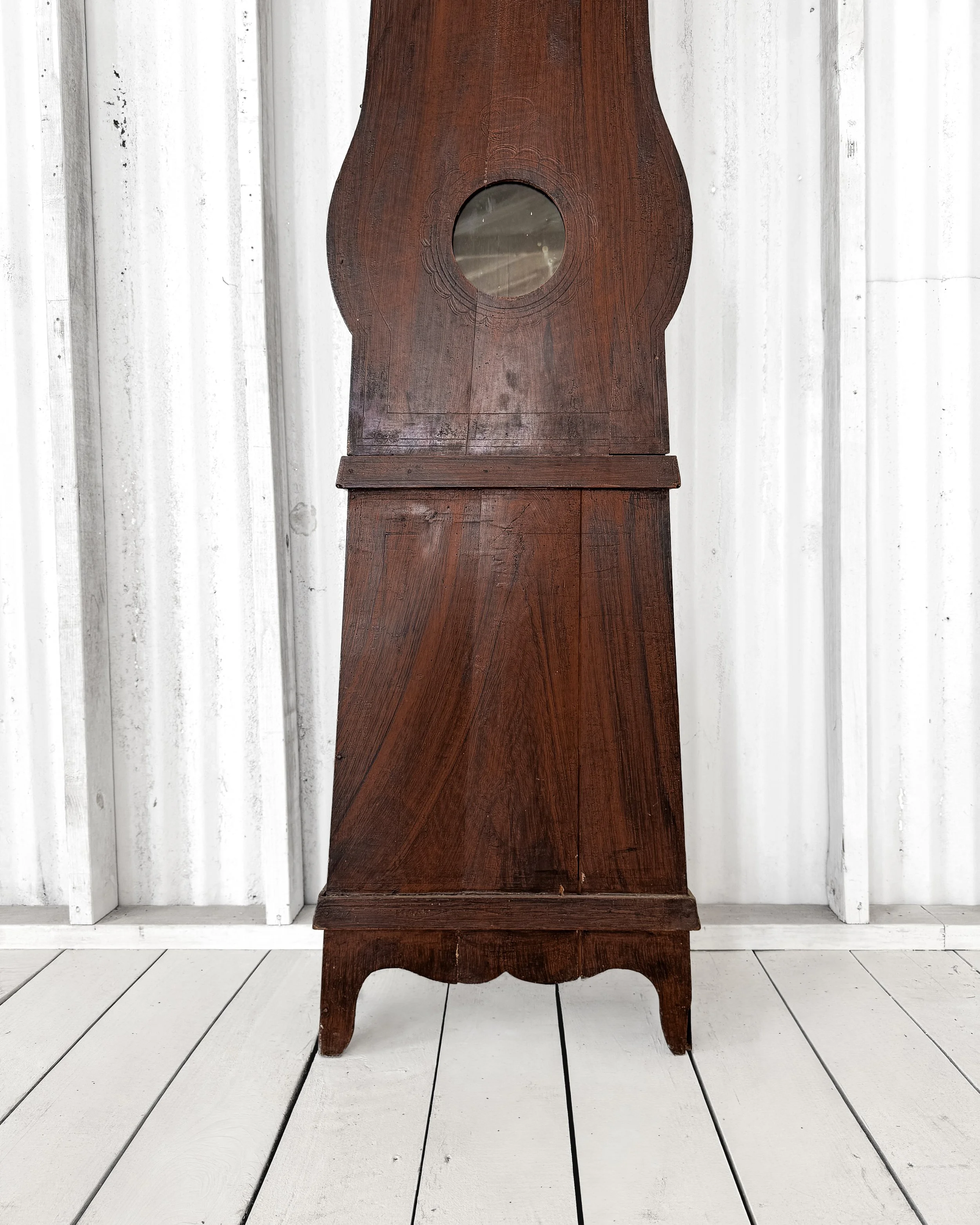
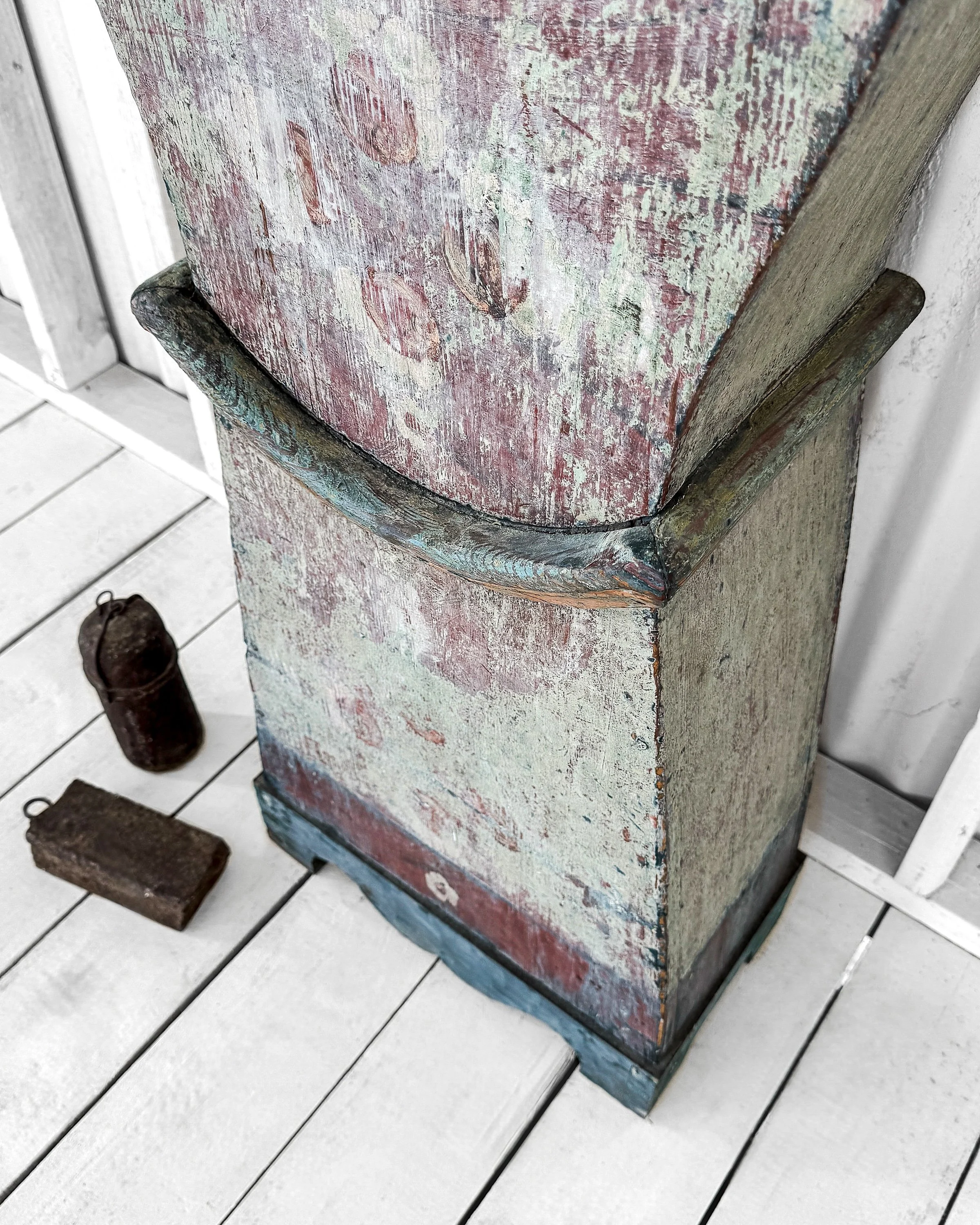
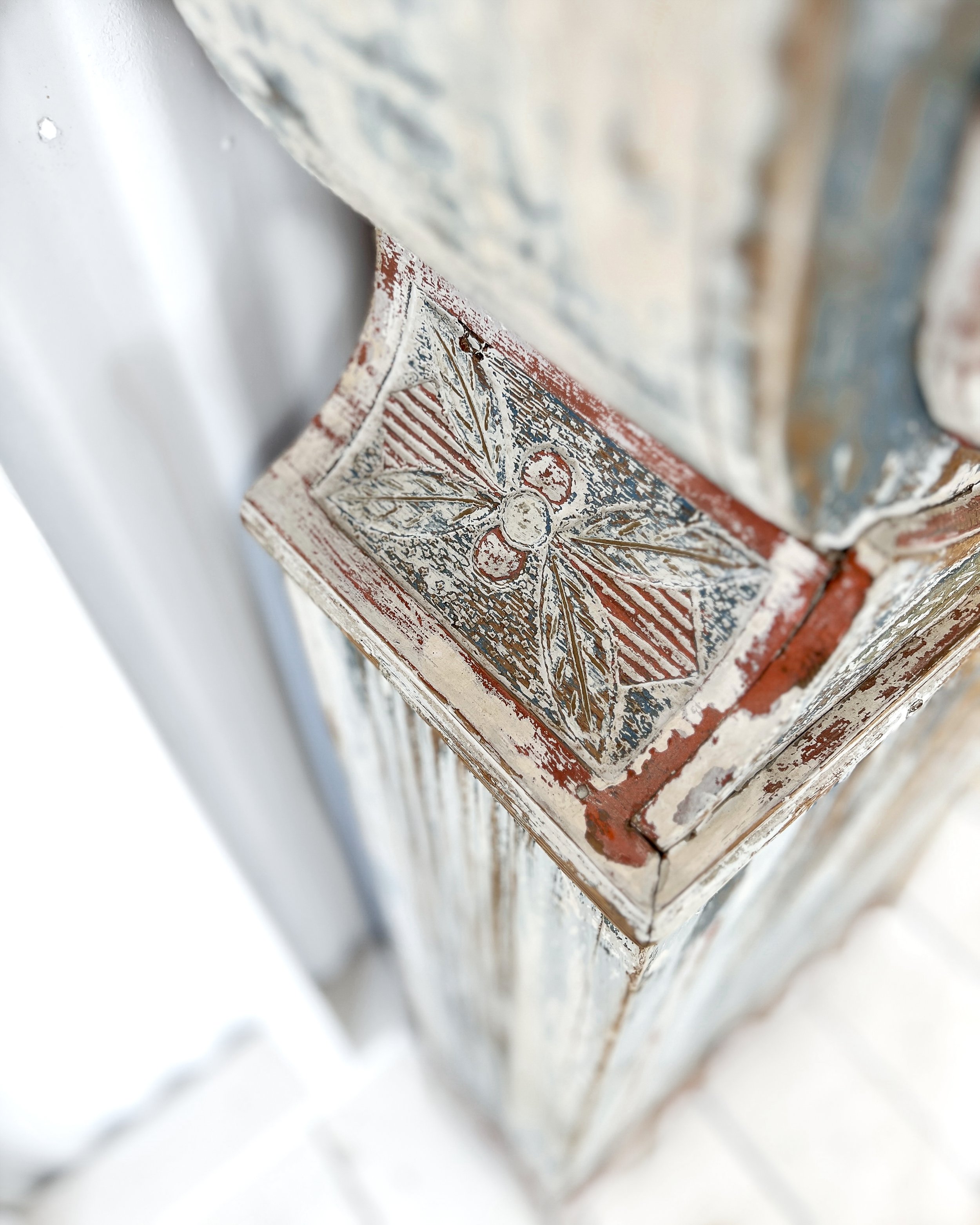
The case has been dry-scraped to reveal its original surface history. Once painted in traditional Swedish pink, the iron-oxide pigments used in the paint have permanently stained the pine, leaving behind a warm, nuanced hue. Subtle traces of hand-painted kurbits—Dalarna’s iconic folk decoration—remain faintly etched into the wood, offering a restrained glimpse of the clock’s original ornamentation.
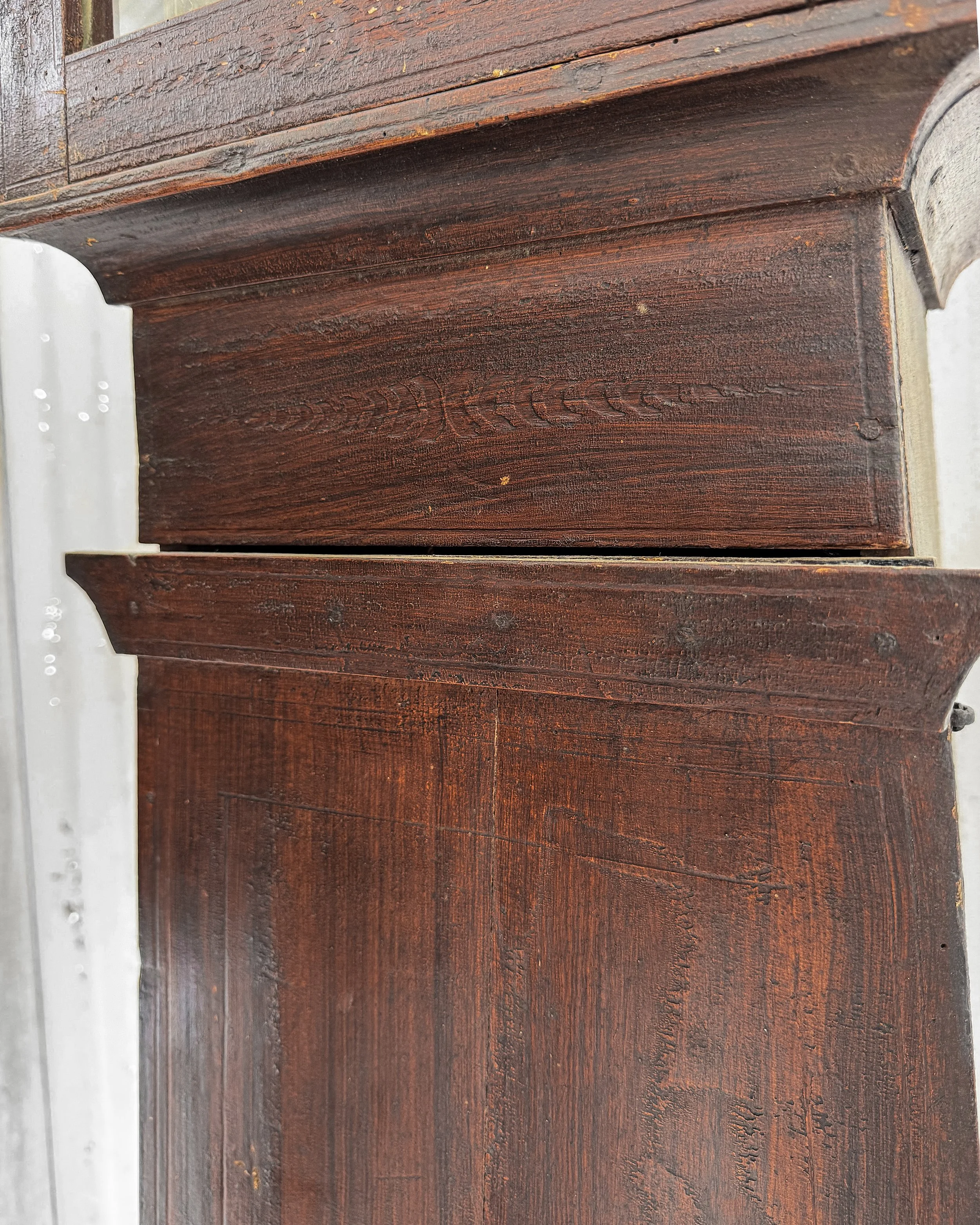
Wear throughout the surface, softened edges, and visible tool marks reflect generations of use and preservation.
Found in Dalarna, Sweden, circa 1800 - 1820
The clock has been dry-scraped (as found)
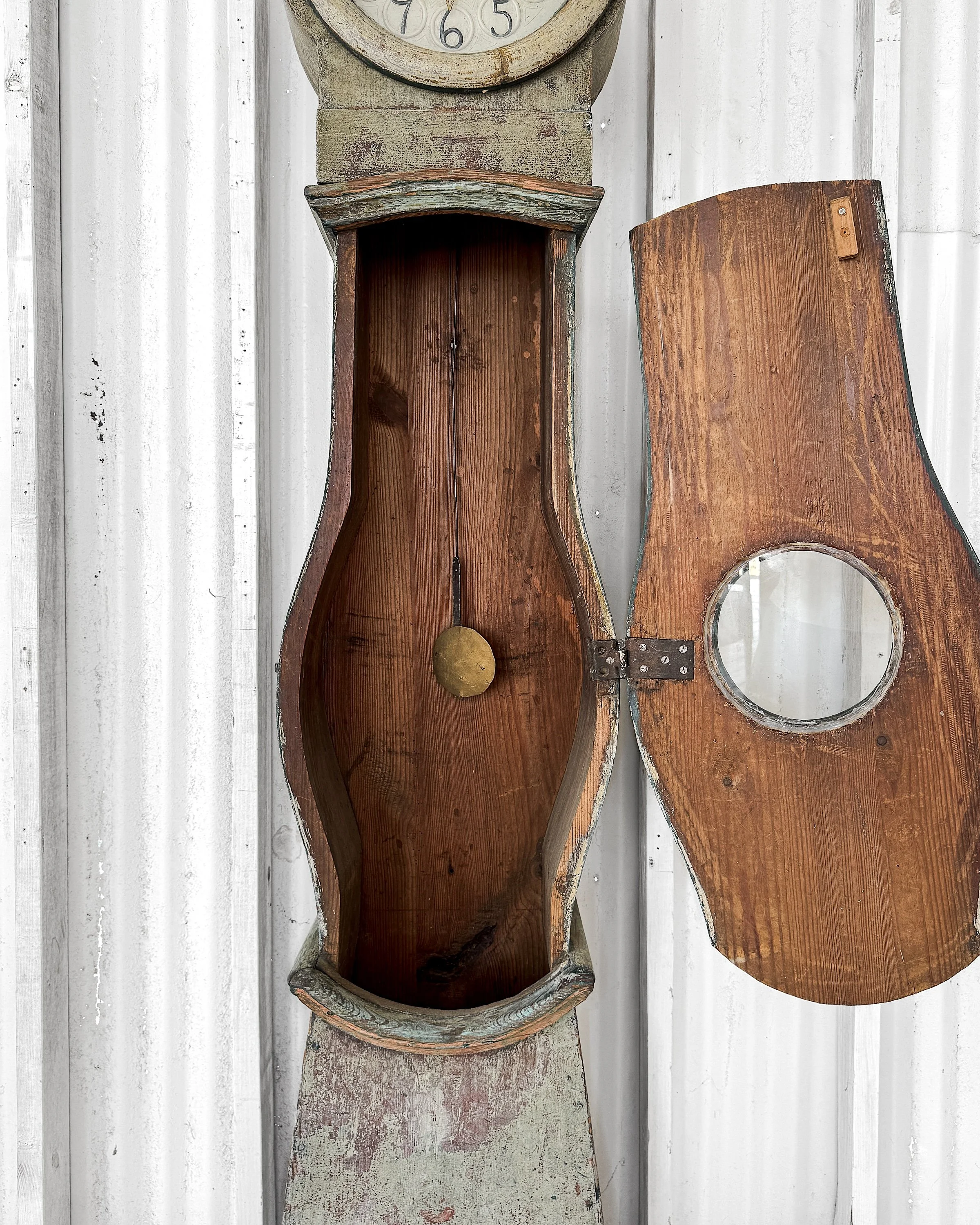
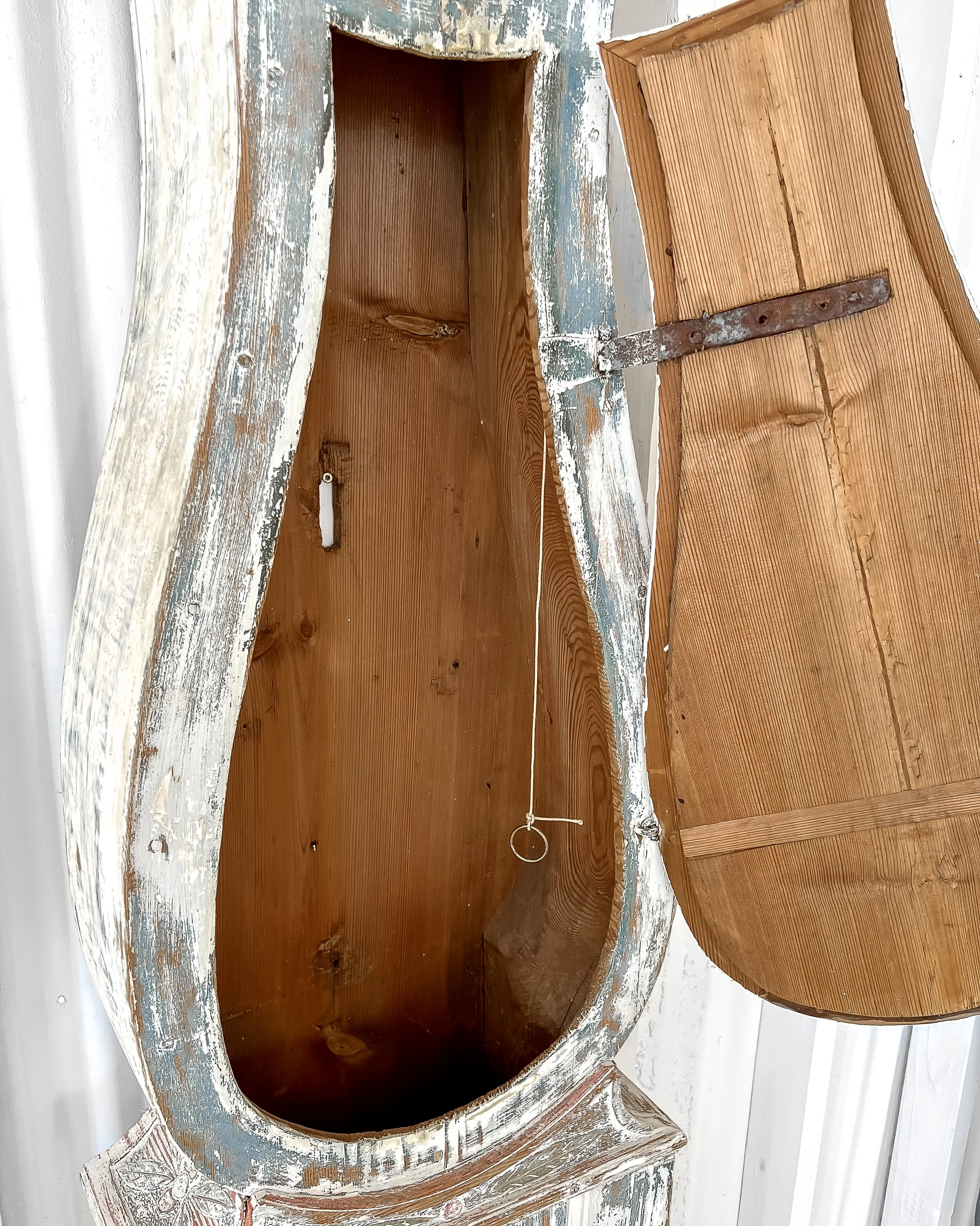
Iron hinges are present on the head and belly of the clock, which both open
Original glass is present on the bonnet and door
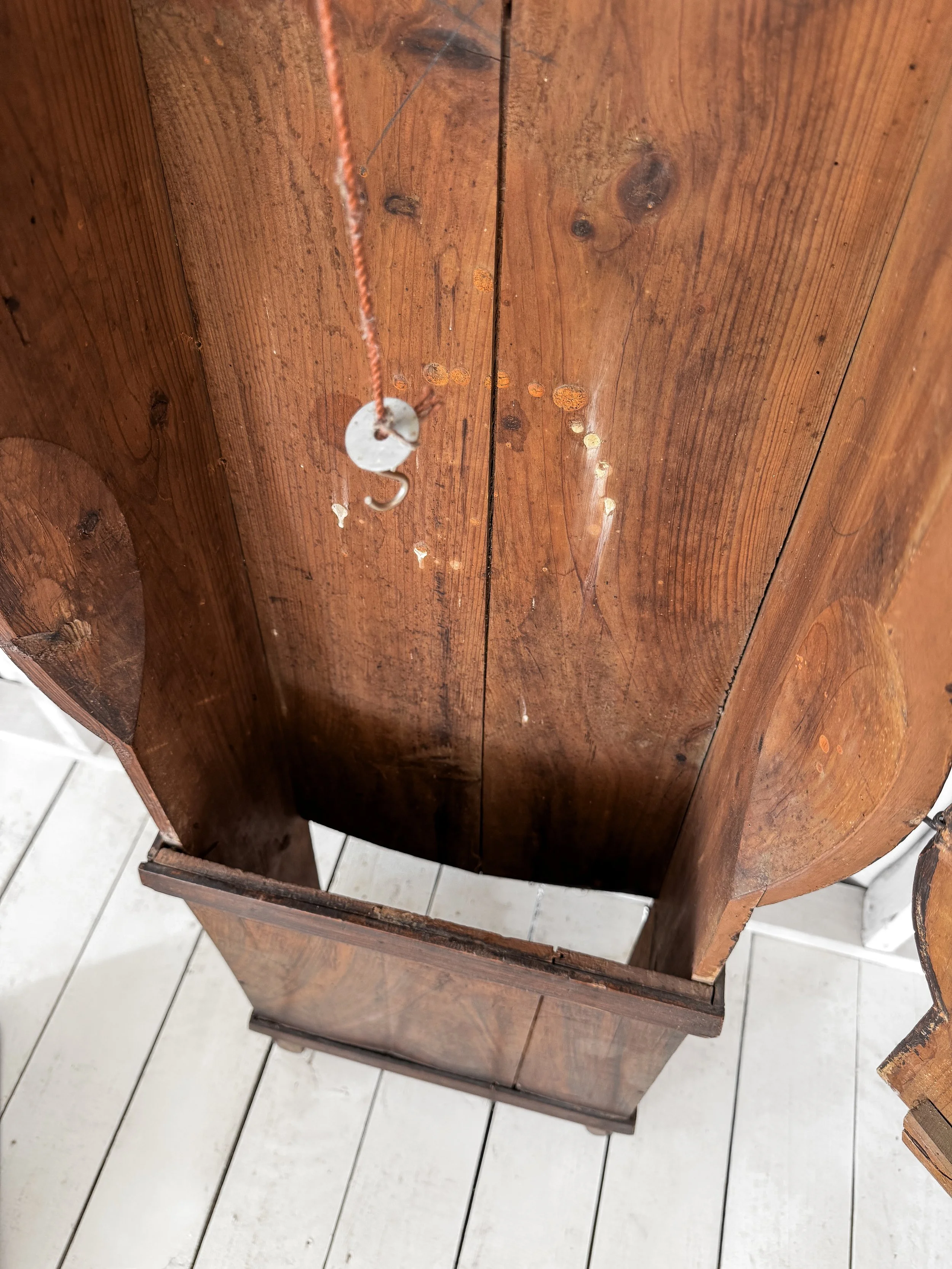
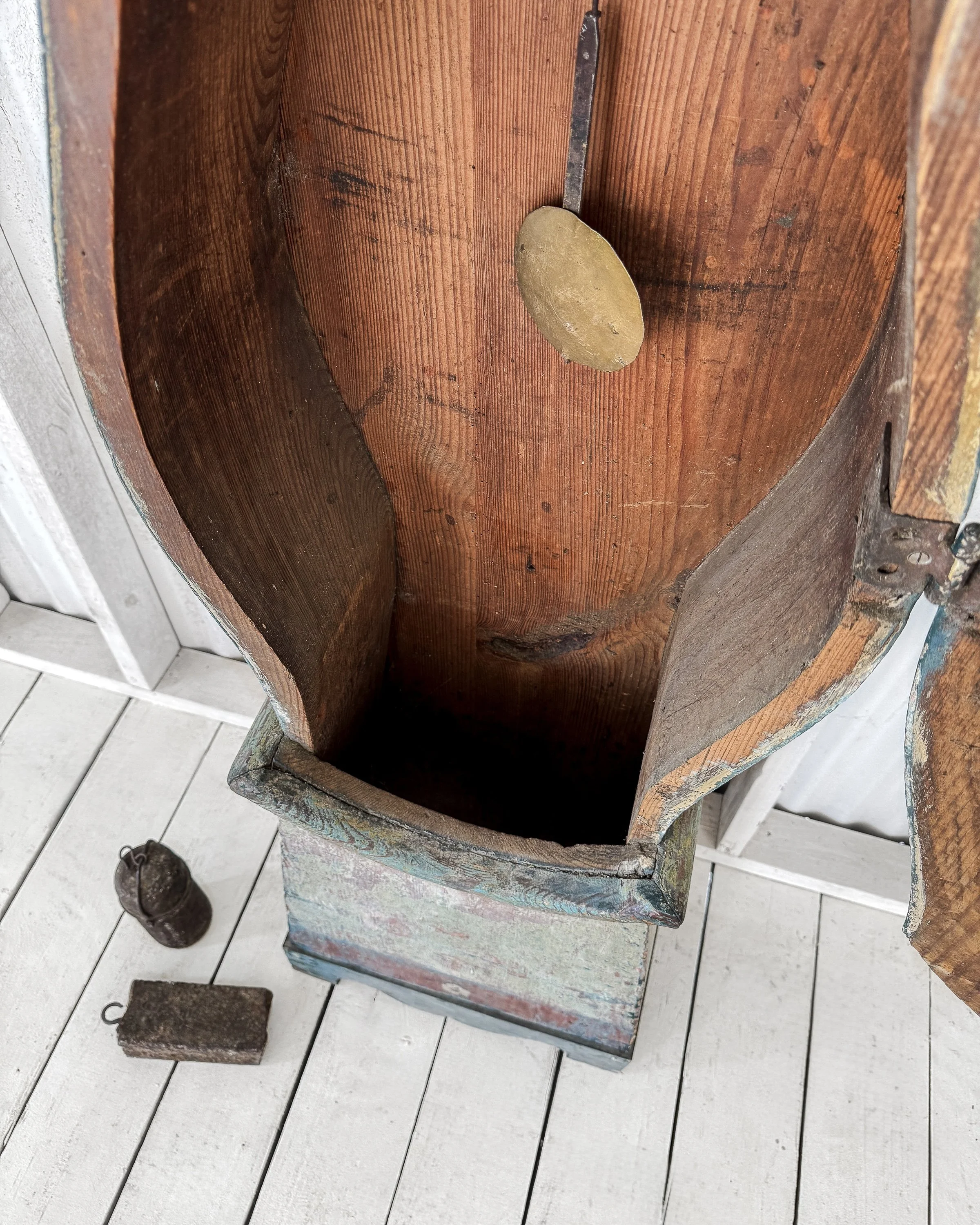
Both weights, wooden pulleys, and a brass pendulum are present
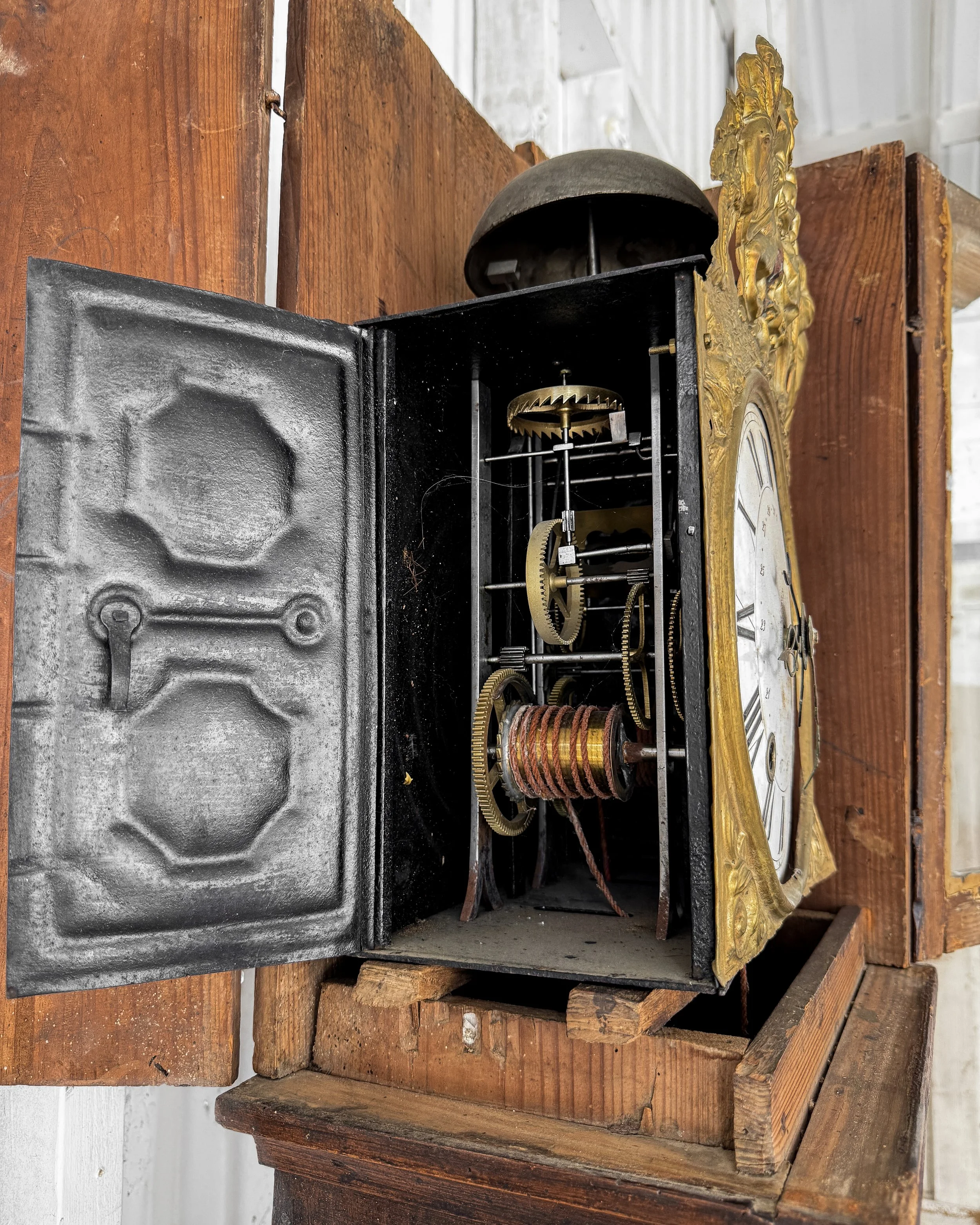
It is not currently in working condition; however, all original inner workings of the clock are intact, and we have been told it could work again! Unfortunately, we don’t know a whole lot about the inner workings of clocks, but here are a few things to note:
The winding key is missing (shouldn’t be difficult to replace)
There is a long string that we are unsure what would’ve been attached to it (we’ve not seen that on any of the other clocks we have had)
There is a thin metal piece missing from the top of the pendulum that helps it to hang in place (we’re assuming that could be an easy fix?) (see photo comparison to typical pendulum)
Overall wear is consistent with age and use
Approximately 21.875” W x 8.375” D x 81.5” H
Available for pickup, local delivery, and nationwide shipping.
This item requires either freight shipping or white-glove delivery service.
Request a shipping quote here.
Request a trade discount here.
Handcrafted in the early 19th-century, this longcase clock embodies the rural craftsmanship and folk traditions of central Sweden. The pine case features the classic Mora silhouette with softly waisted sides, a shaped base, and an elongated crown, giving the piece a strong architectural presence while retaining its vernacular roots.
The painted dial is signed by Johan Wallin, a known Swedish clockmaker active during the late 18th and early 19th centuries. Roman numerals and pierced metal hands rest beneath gently aged glass, lending the clock a quiet authority and sense of time passed.
The case has been dry-scraped to reveal its original surface history. Once painted in traditional Swedish pink, the iron-oxide pigments used in the paint have permanently stained the pine, leaving behind a warm, nuanced hue. Subtle traces of hand-painted kurbits—Dalarna’s iconic folk decoration—remain faintly etched into the wood, offering a restrained glimpse of the clock’s original ornamentation.
Wear throughout the surface, softened edges, and visible tool marks reflect generations of use and preservation.
Found in Dalarna, Sweden, circa 1800 - 1820
The clock has been dry-scraped (as found)
Iron hinges are present on the head and belly of the clock, which both open
Original glass is present on the bonnet and door
Both weights, wooden pulleys, and a brass pendulum are present
It is not currently in working condition; however, all original inner workings of the clock are intact, and we have been told it could work again! Unfortunately, we don’t know a whole lot about the inner workings of clocks, but here are a few things to note:
The winding key is missing (shouldn’t be difficult to replace)
There is a long string that we are unsure what would’ve been attached to it (we’ve not seen that on any of the other clocks we have had)
There is a thin metal piece missing from the top of the pendulum that helps it to hang in place (we’re assuming that could be an easy fix?) (see photo comparison to typical pendulum)
Overall wear is consistent with age and use
Approximately 21.875” W x 8.375” D x 81.5” H
Available for pickup, local delivery, and nationwide shipping.
This item requires either freight shipping or white-glove delivery service.
Request a shipping quote here.
Request a trade discount here.


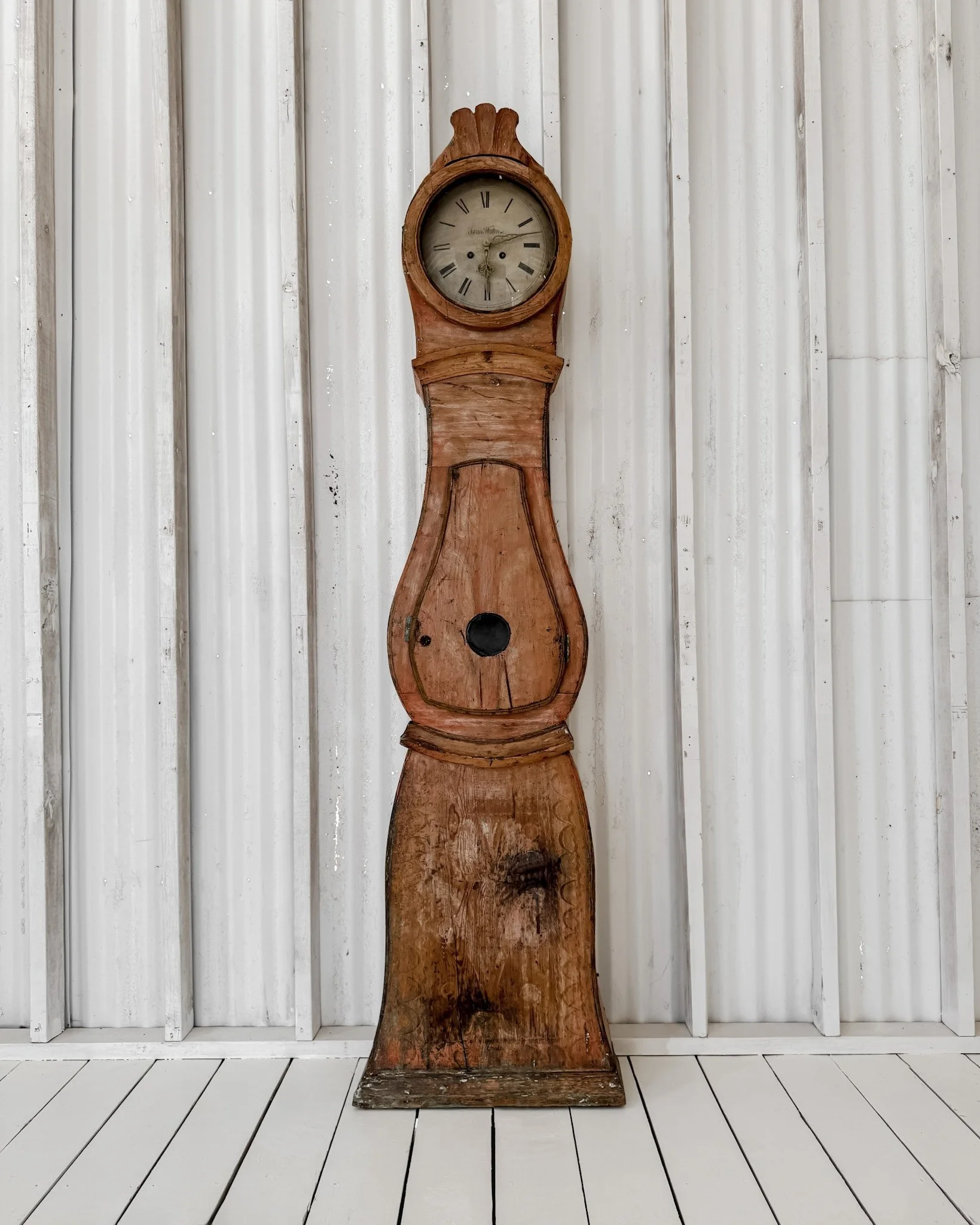 Image 1 of 29
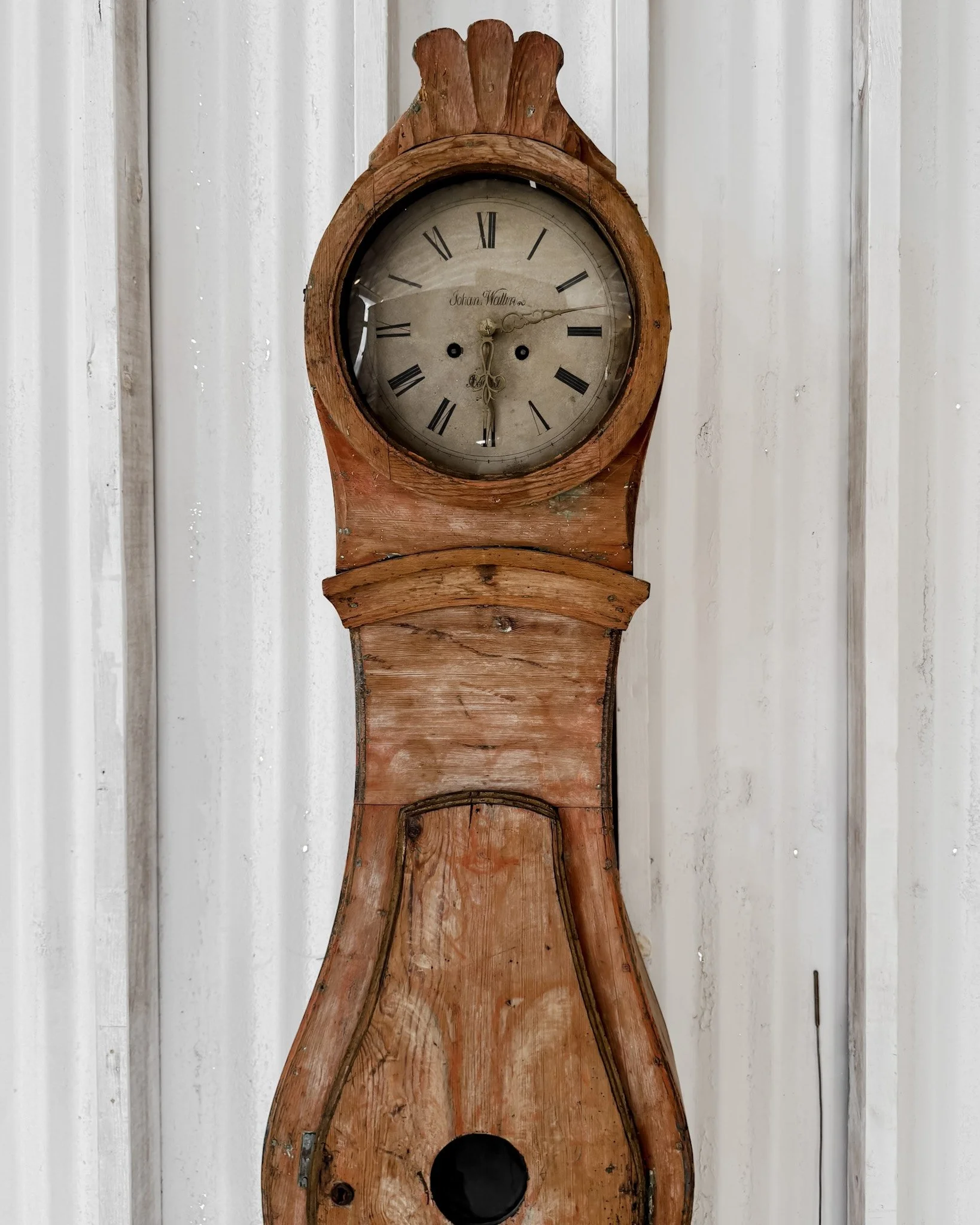 Image 2 of 29
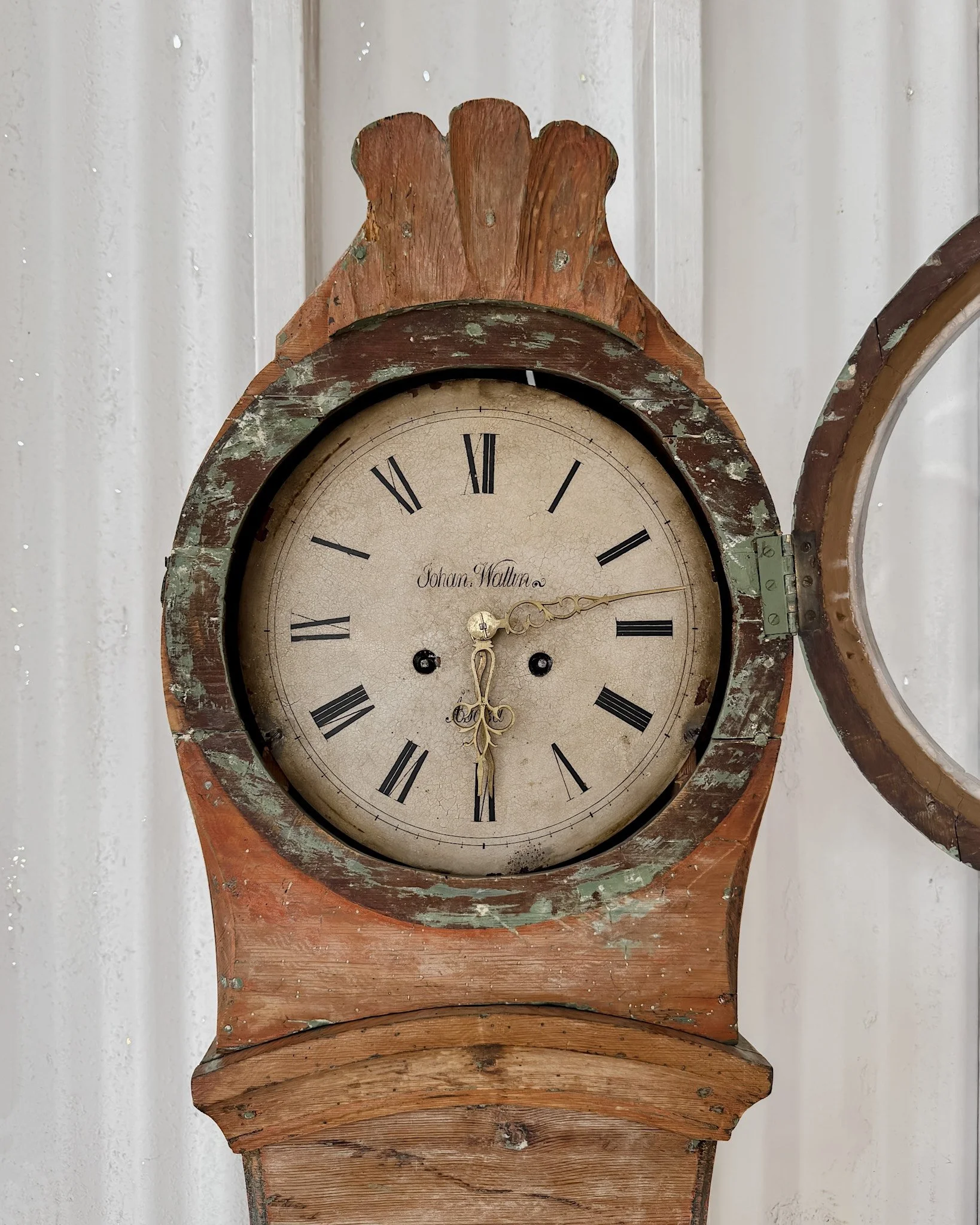 Image 3 of 29
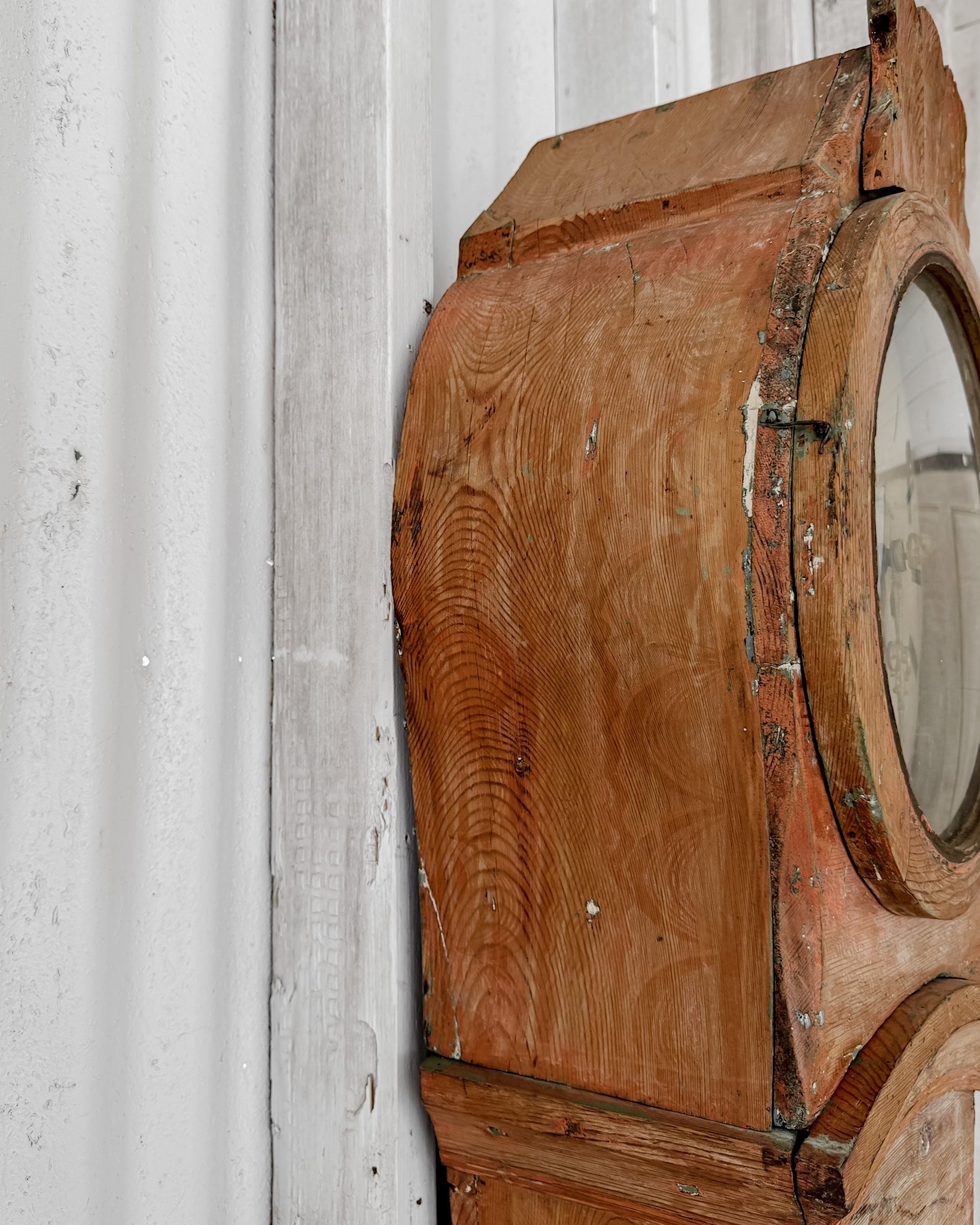 Image 4 of 29
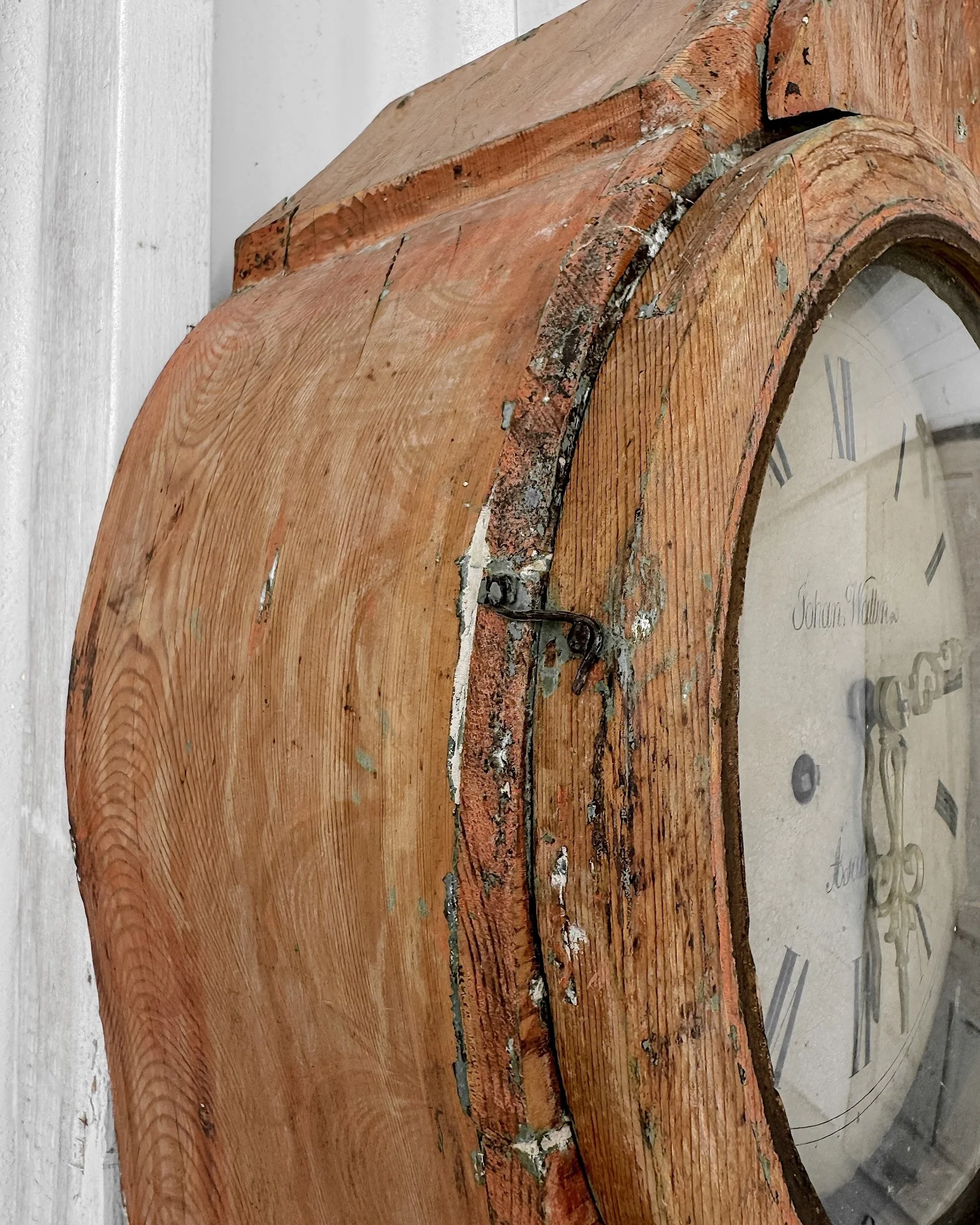 Image 5 of 29
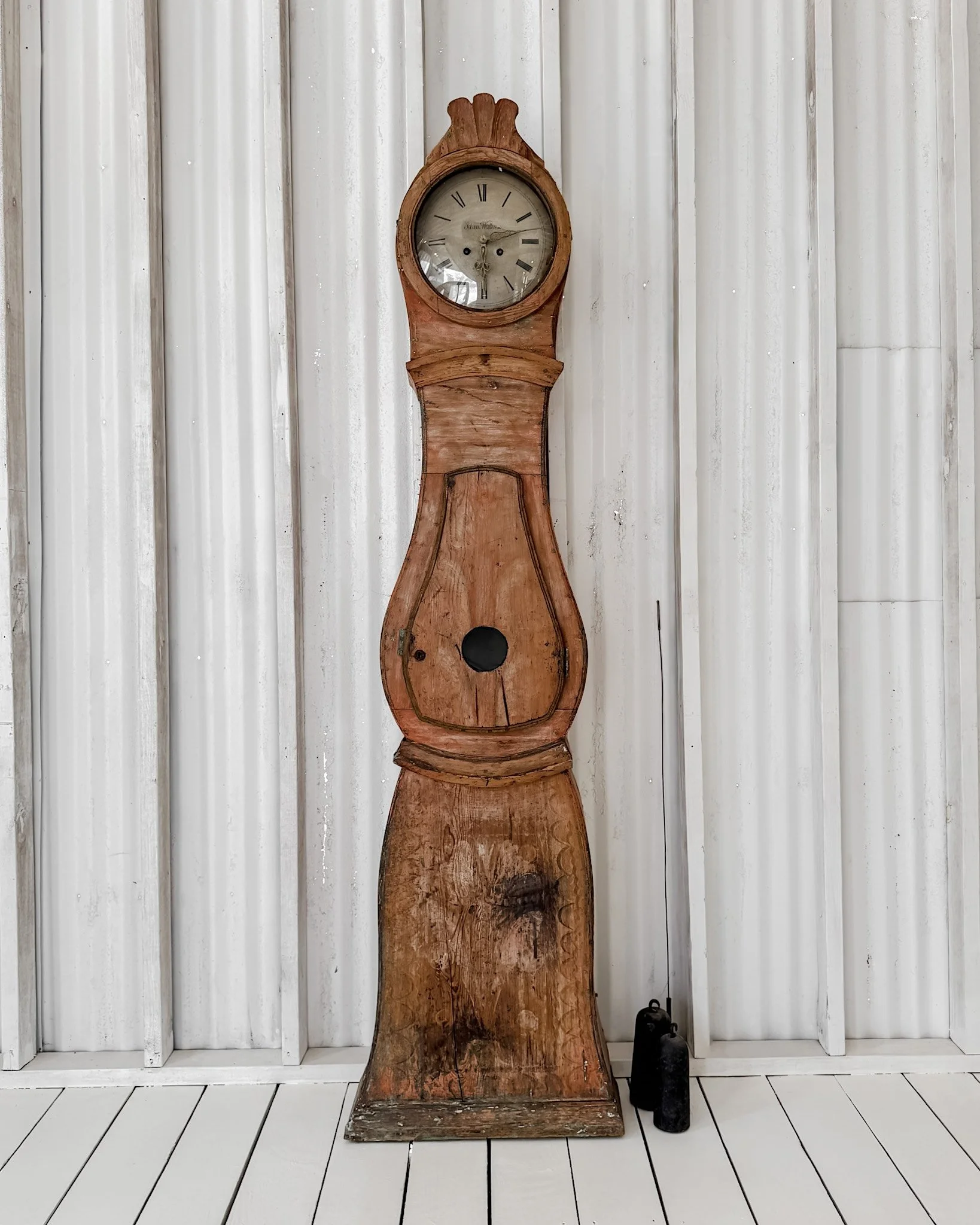 Image 6 of 29
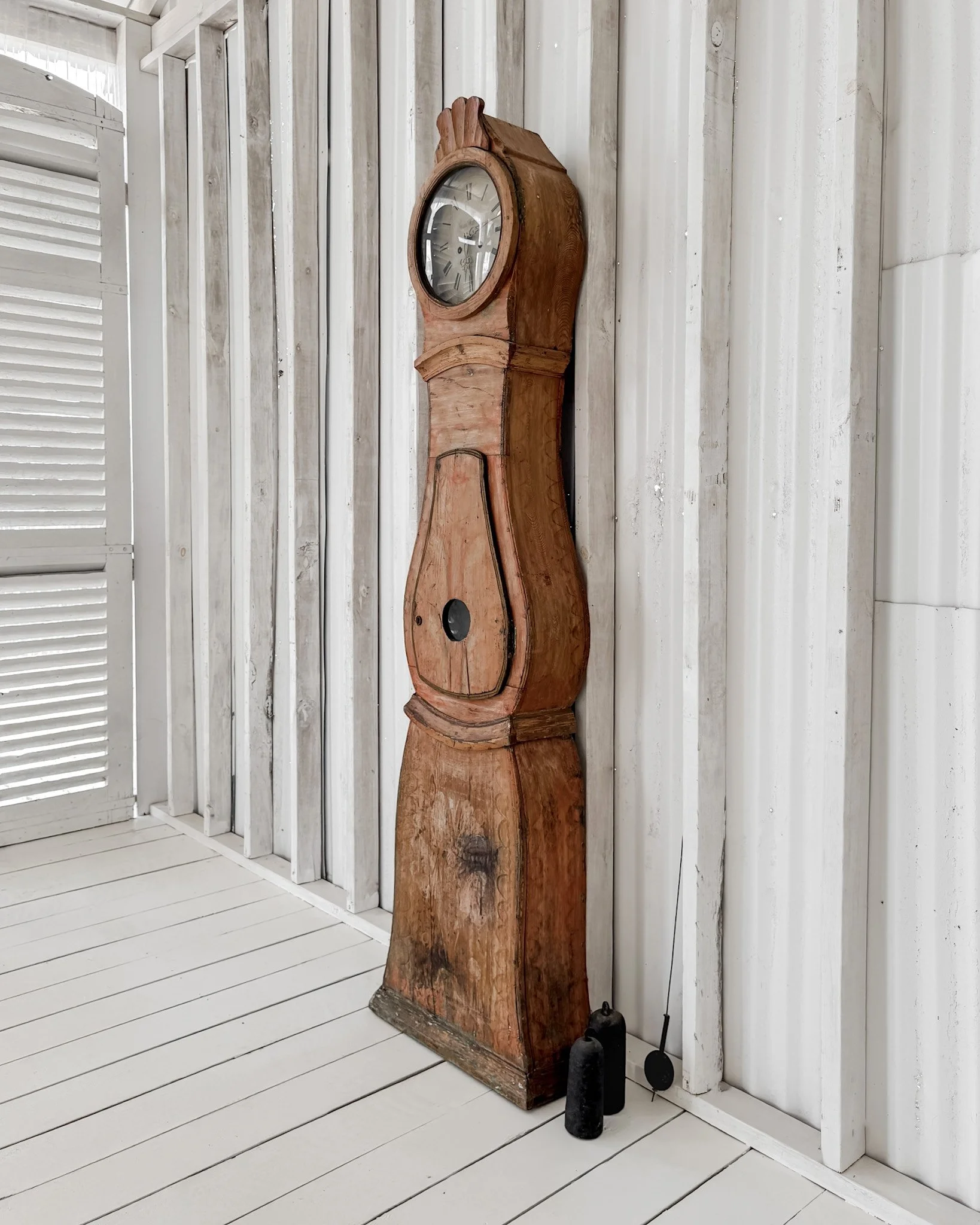 Image 7 of 29
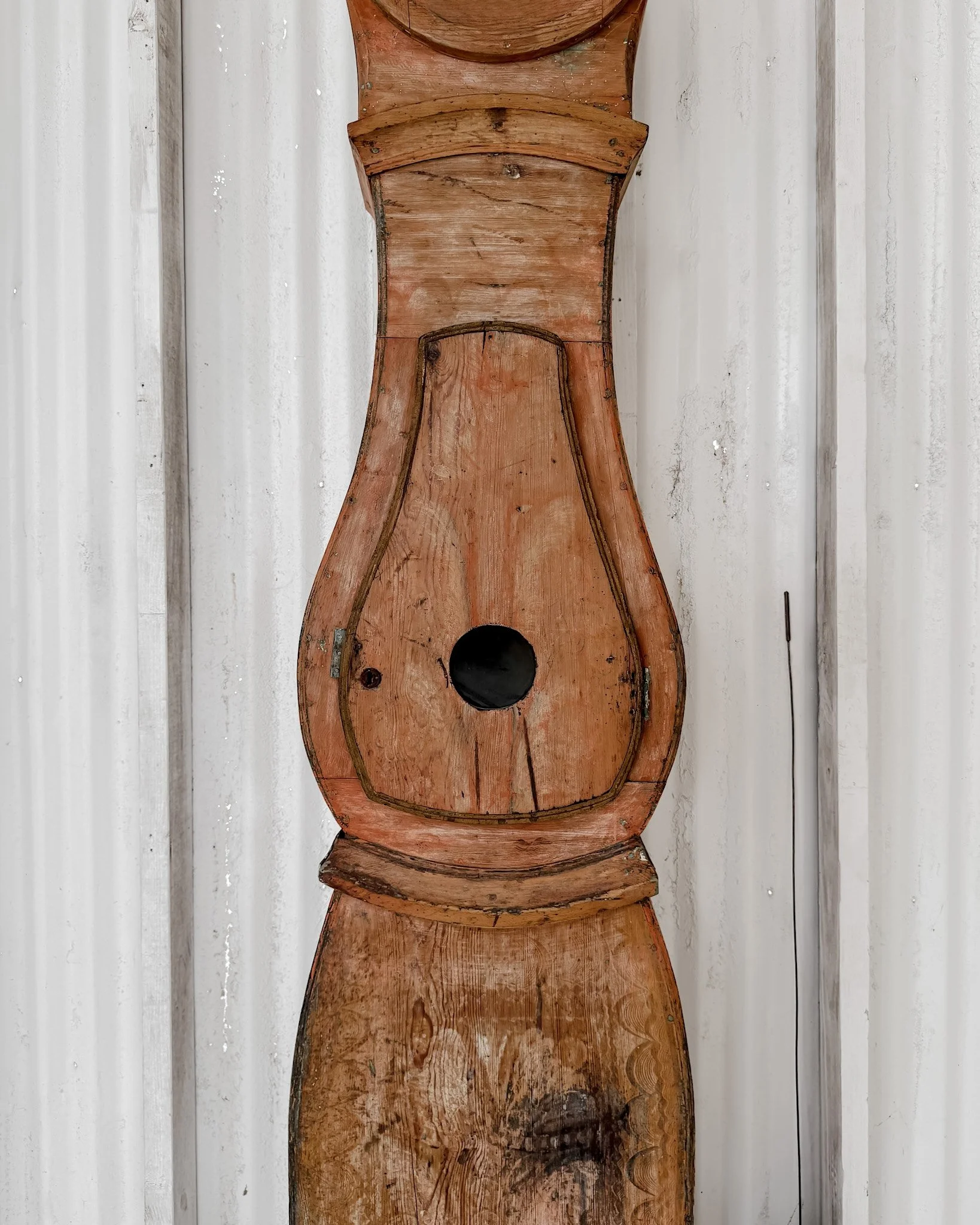 Image 8 of 29
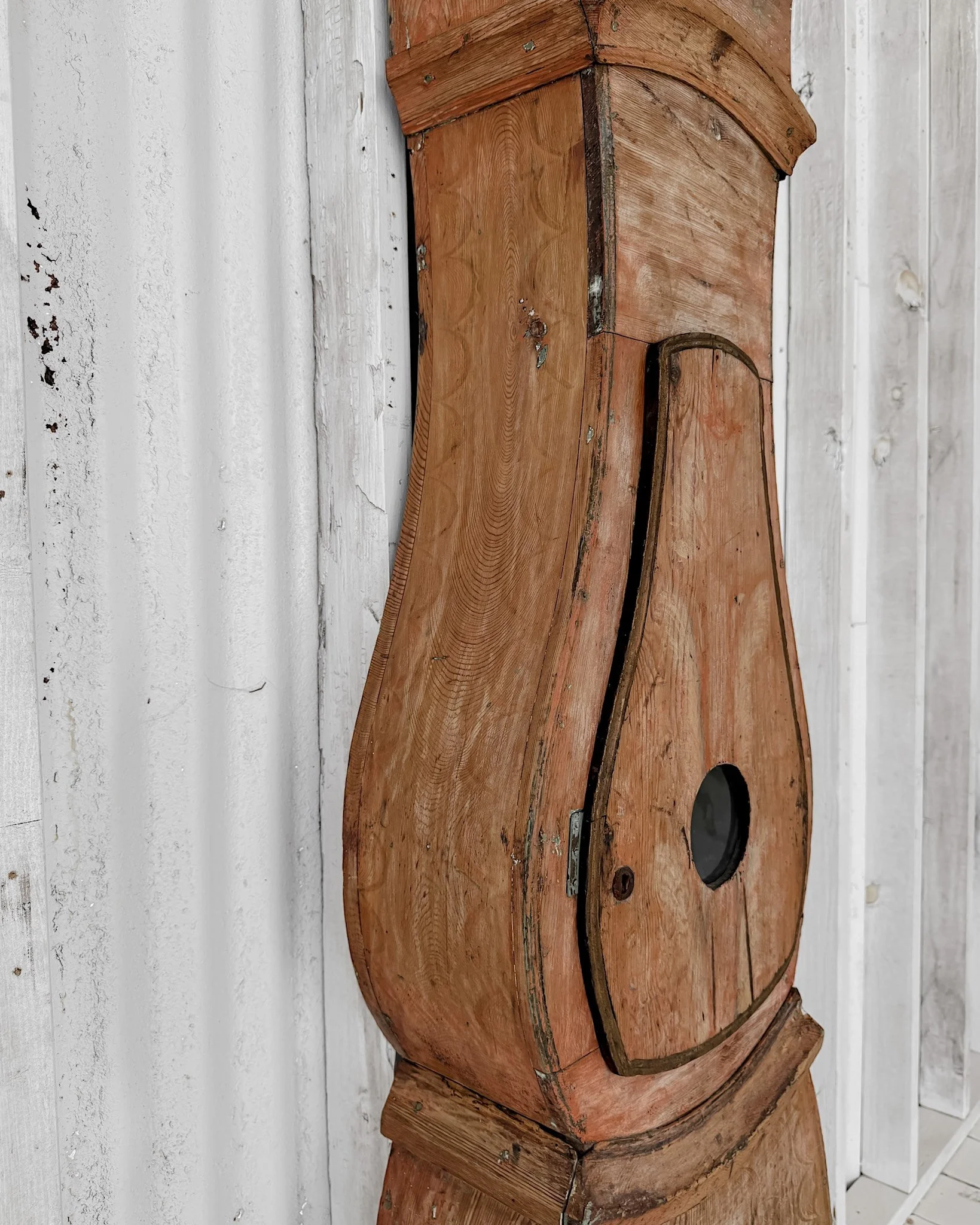 Image 9 of 29
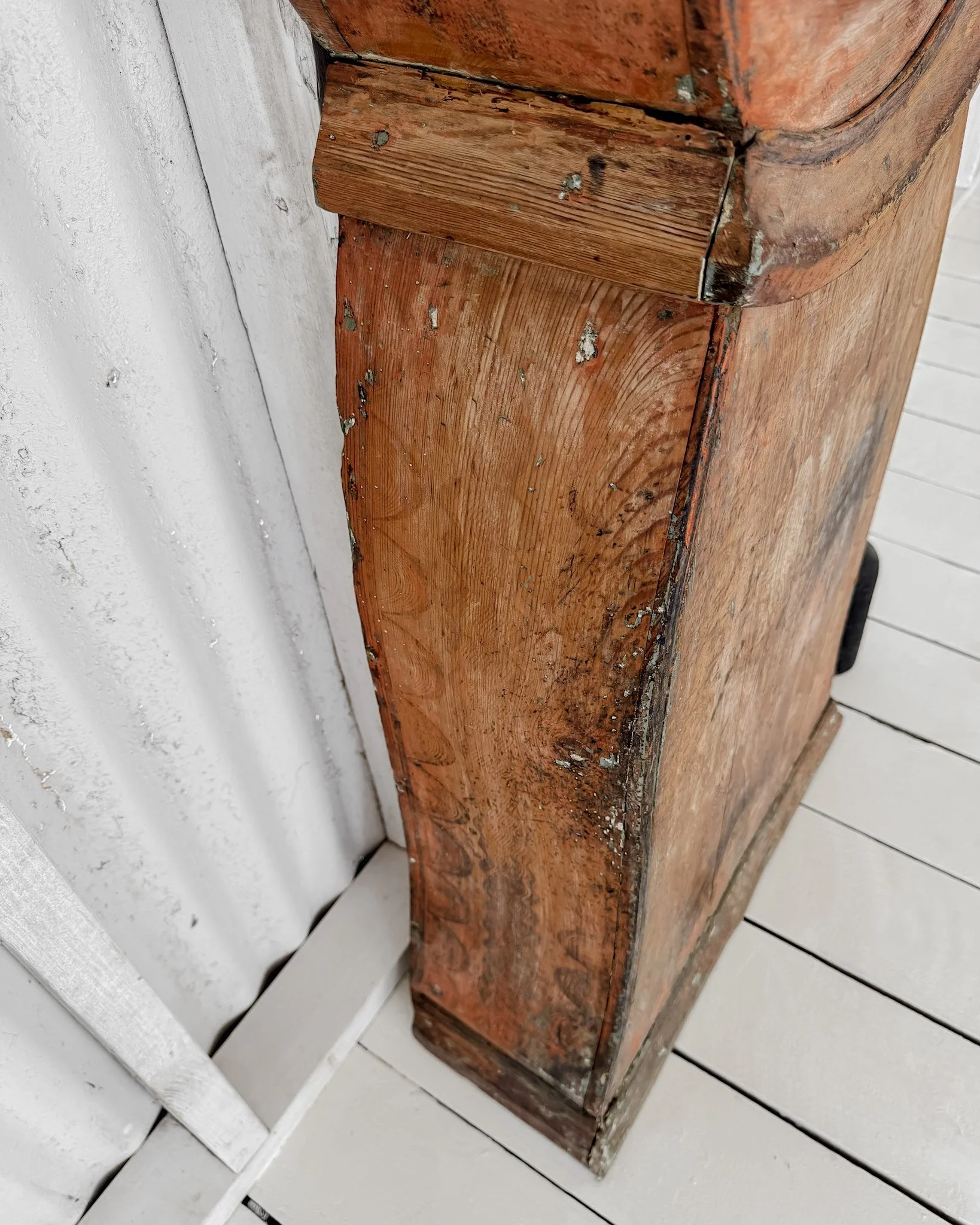 Image 10 of 29
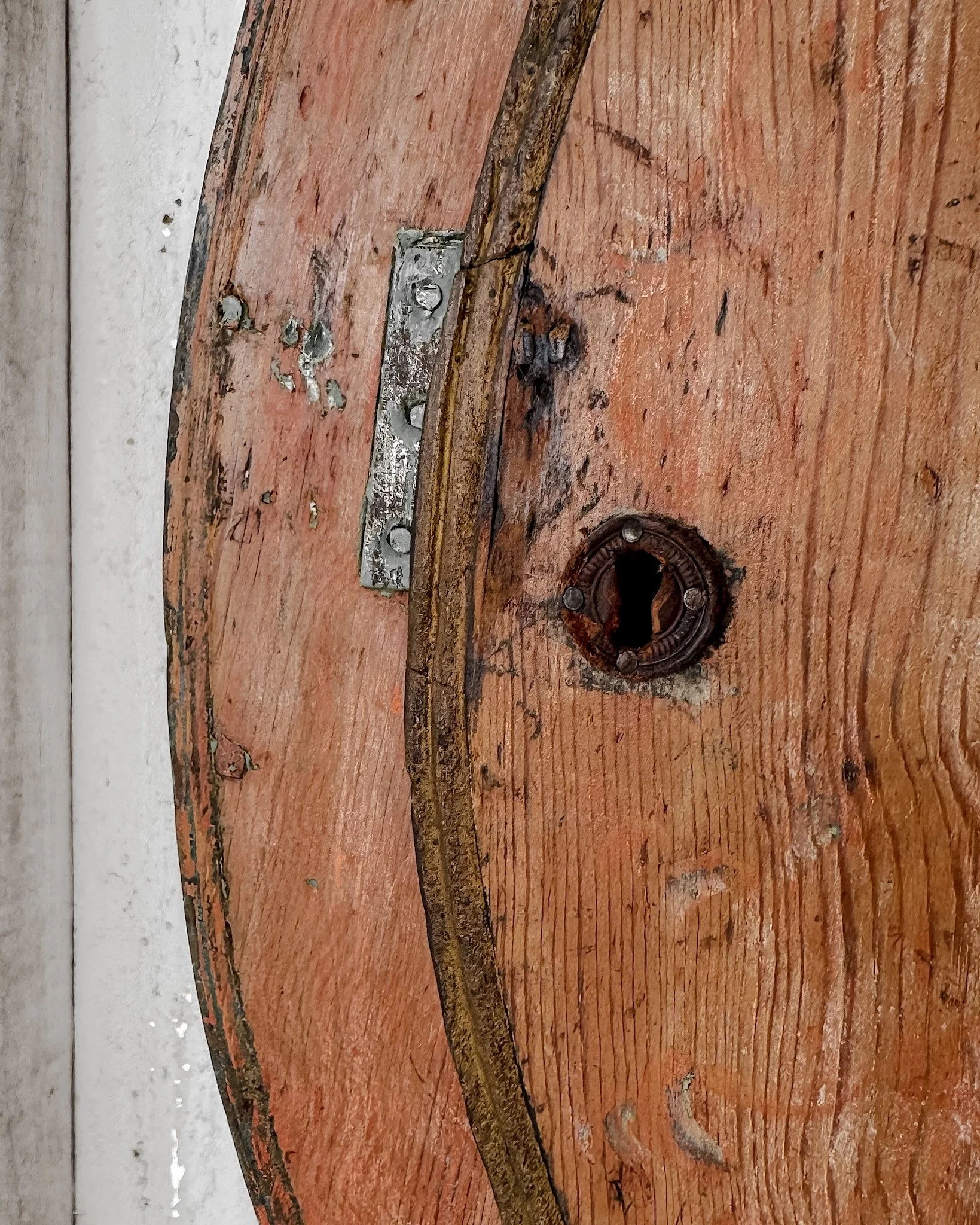 Image 11 of 29
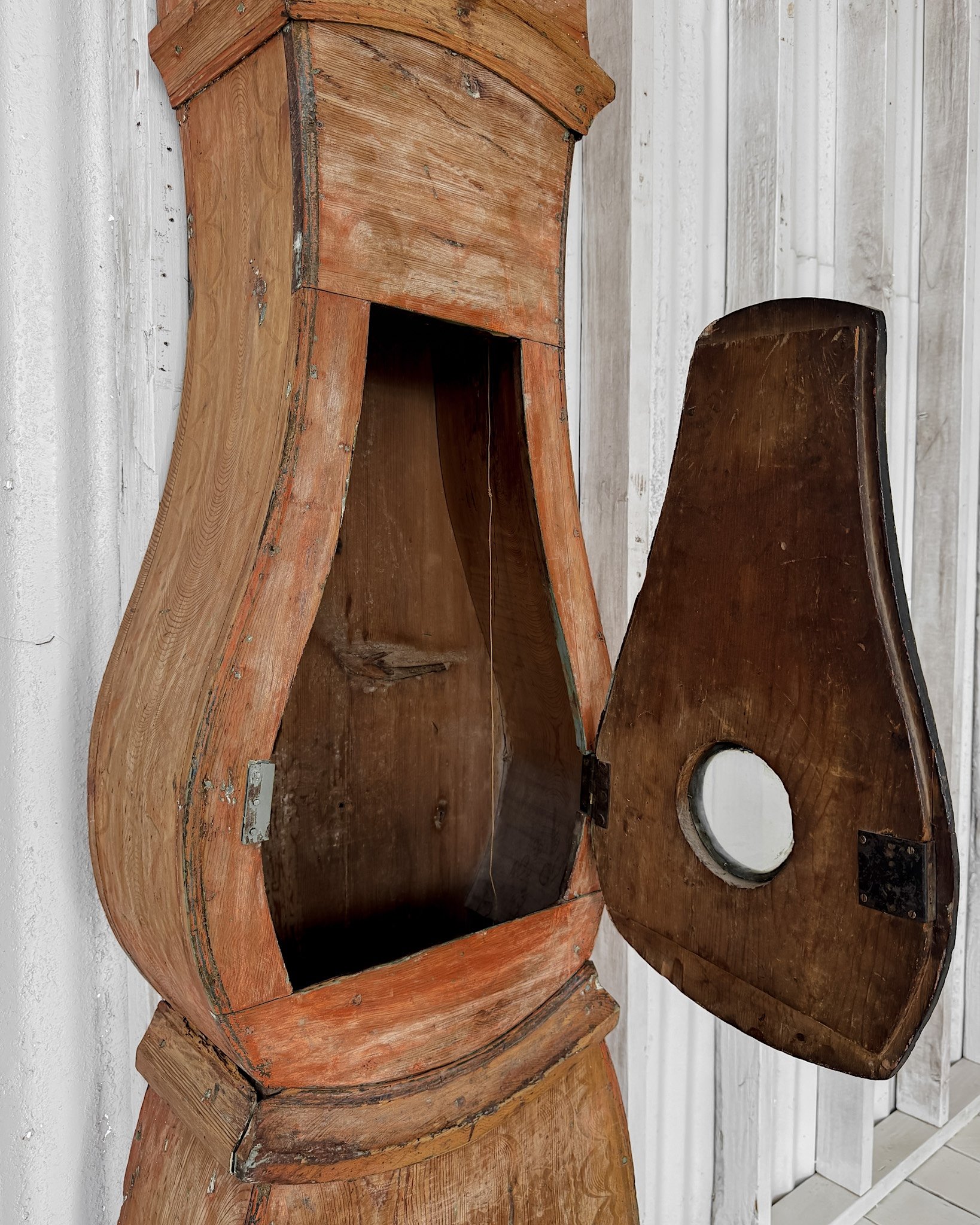 Image 12 of 29
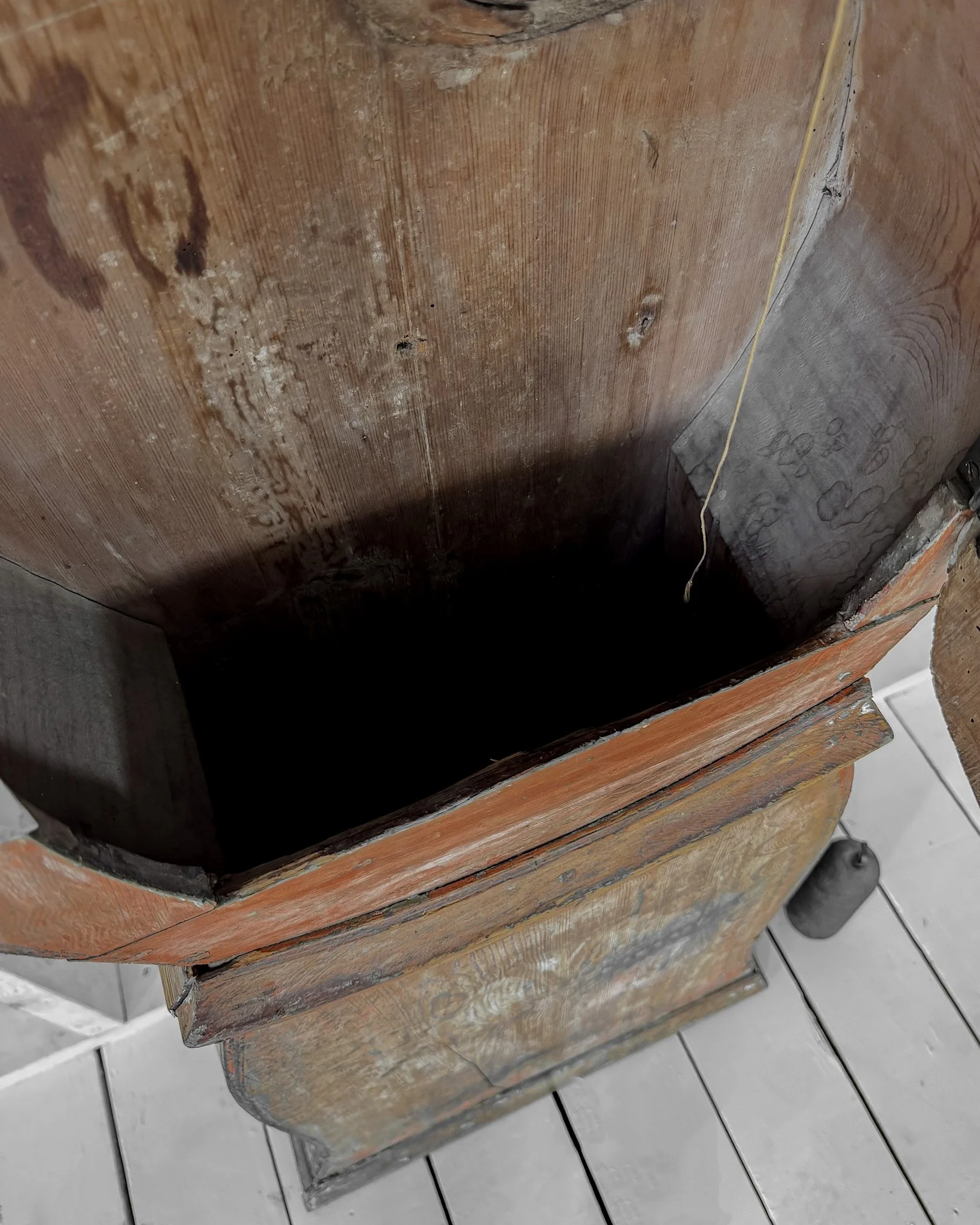 Image 13 of 29
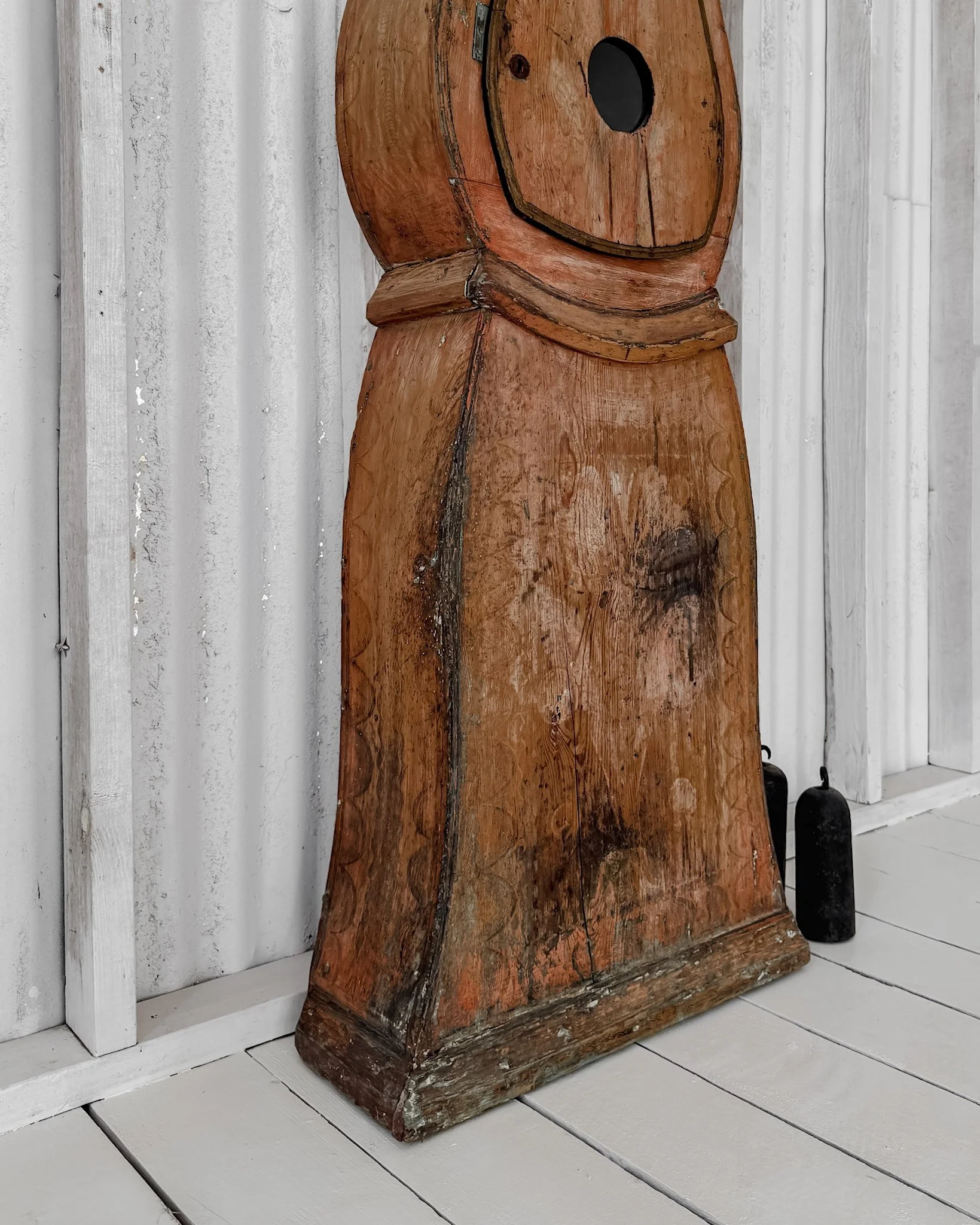 Image 14 of 29
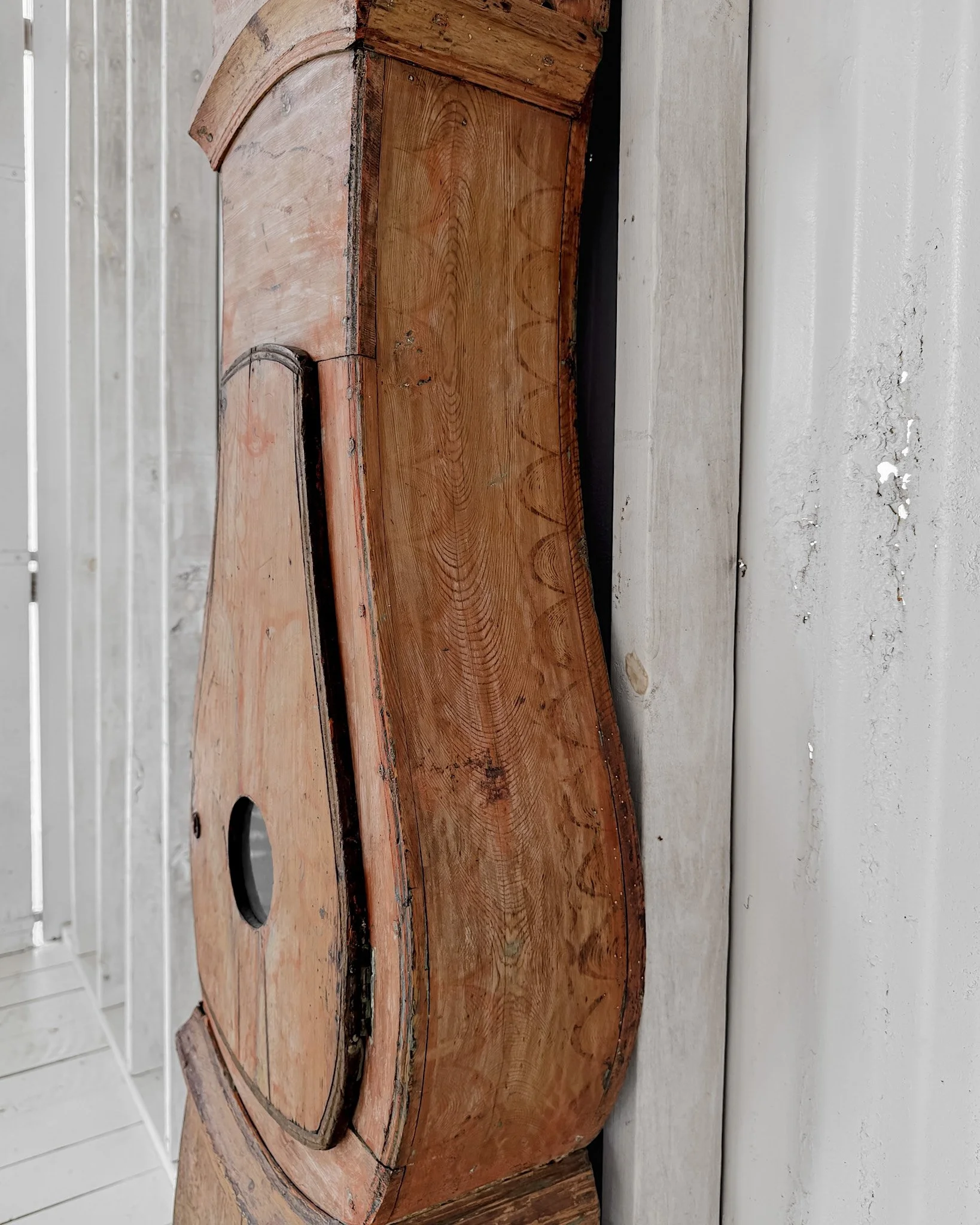 Image 15 of 29
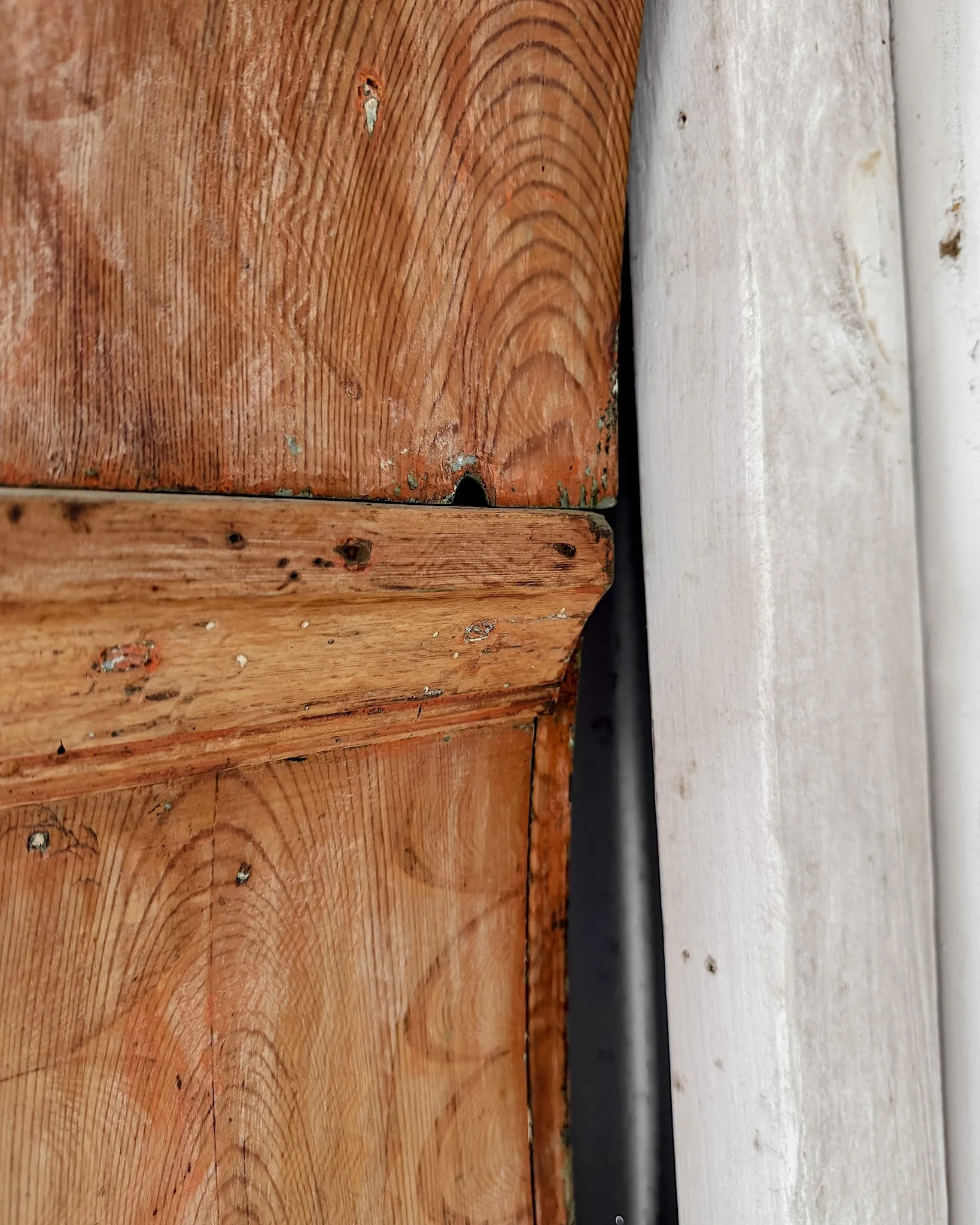 Image 16 of 29
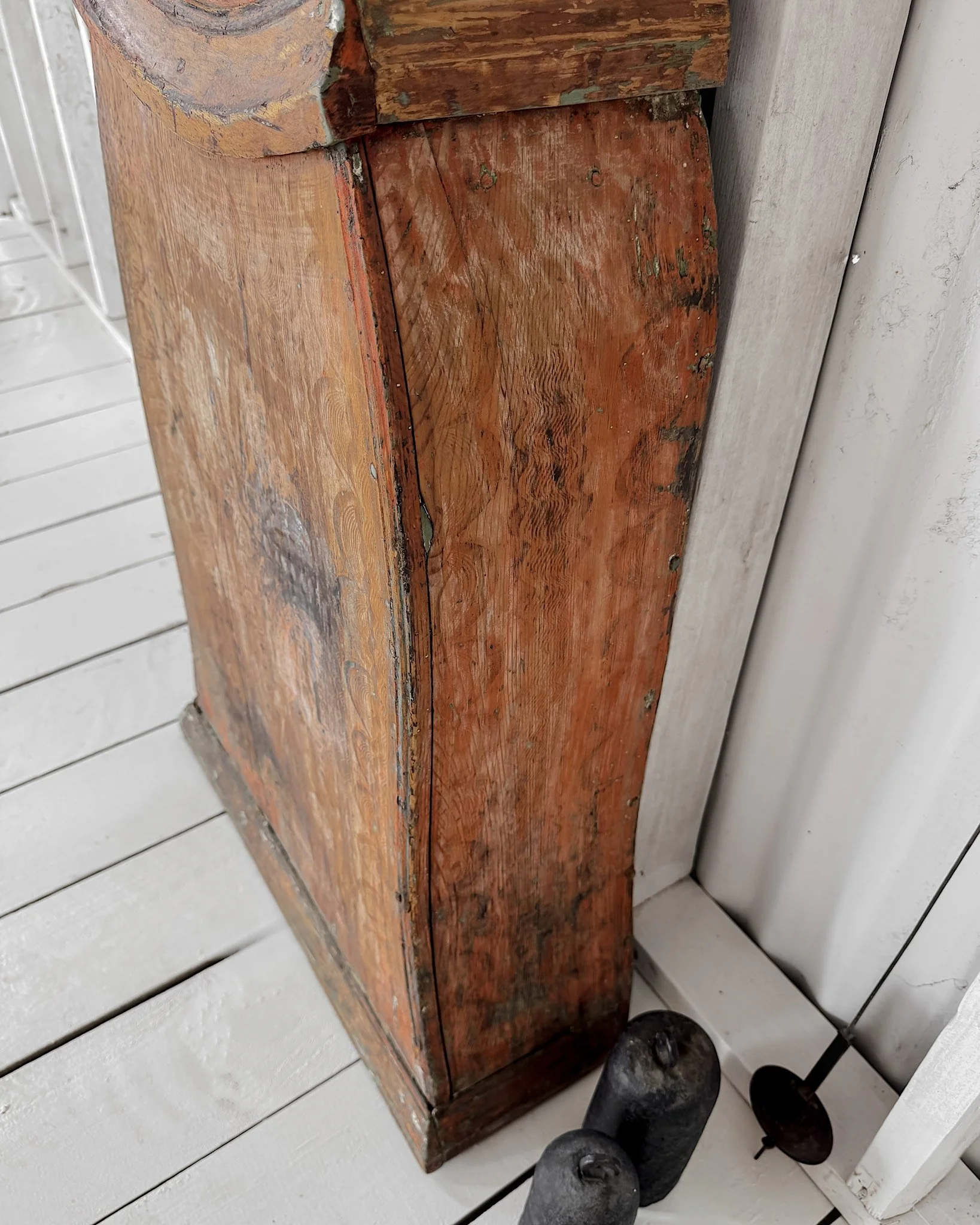 Image 17 of 29
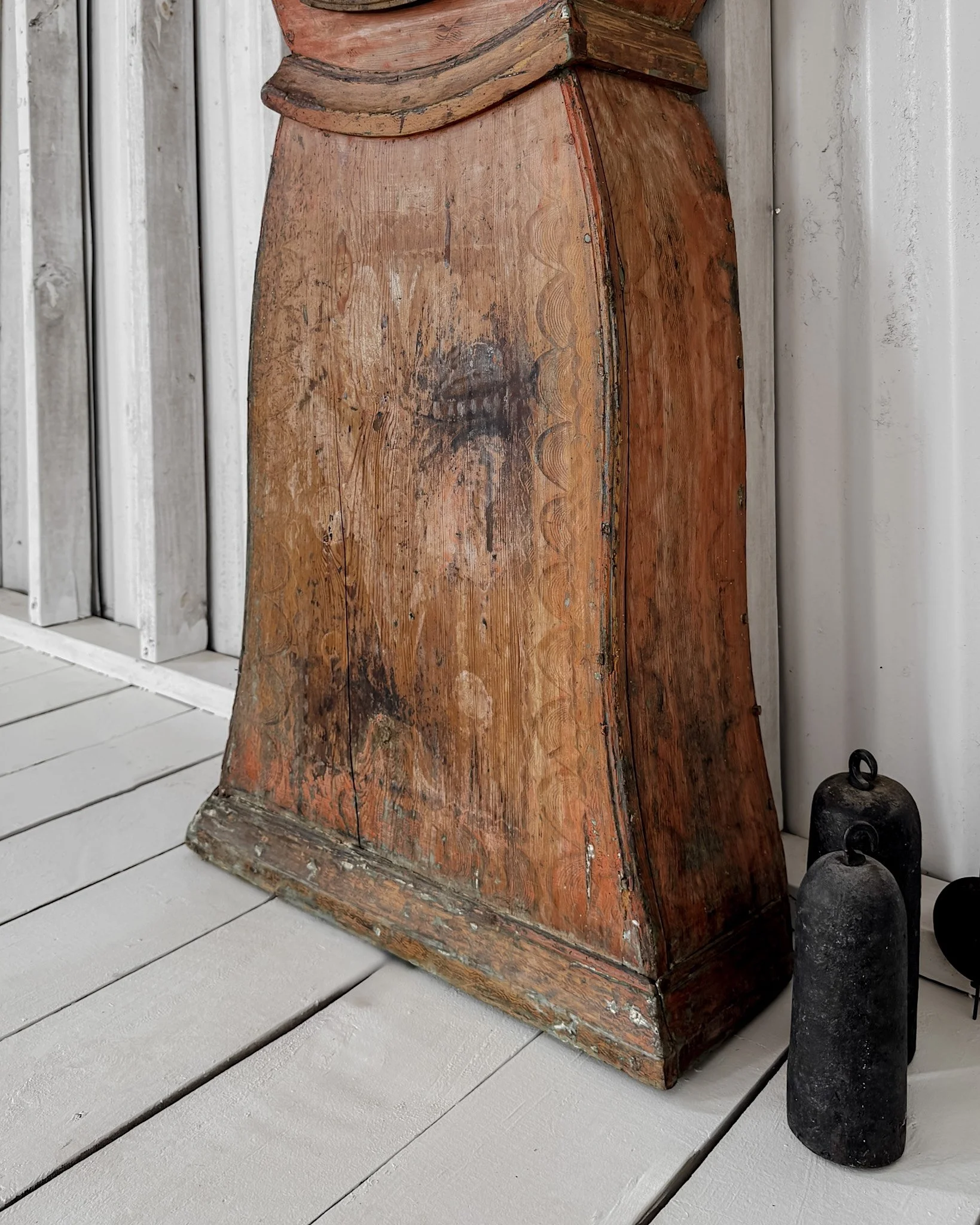 Image 18 of 29
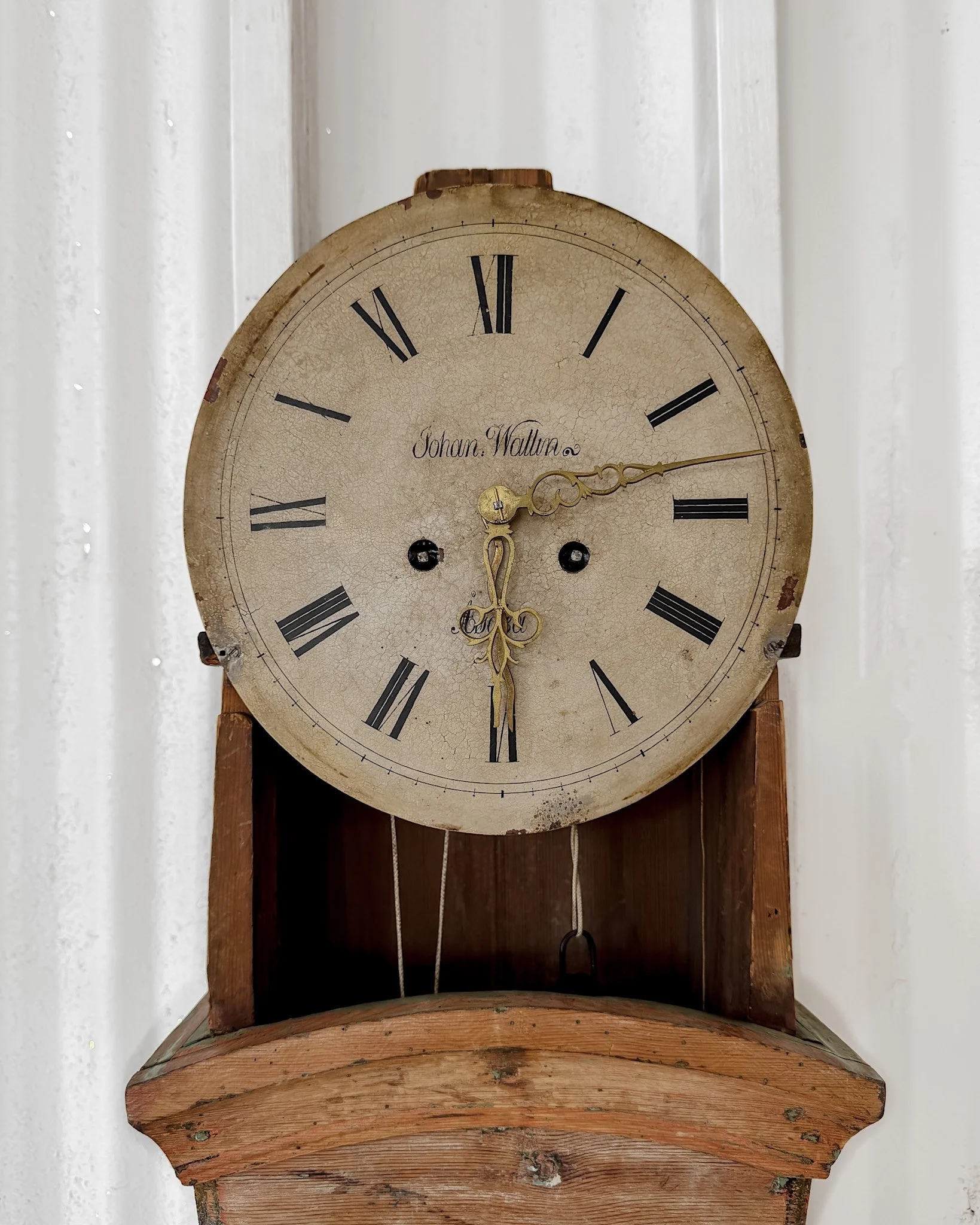 Image 19 of 29
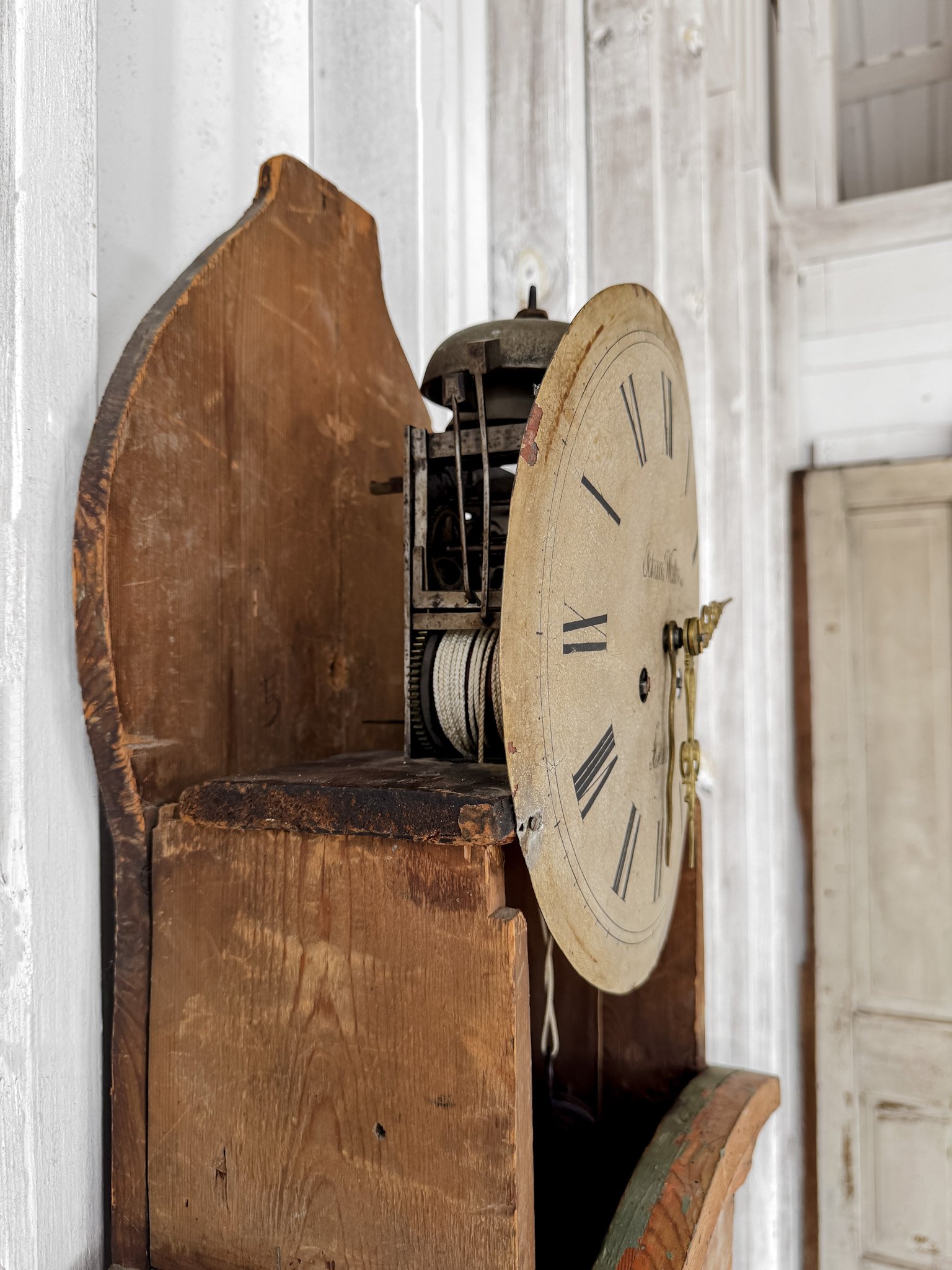 Image 20 of 29
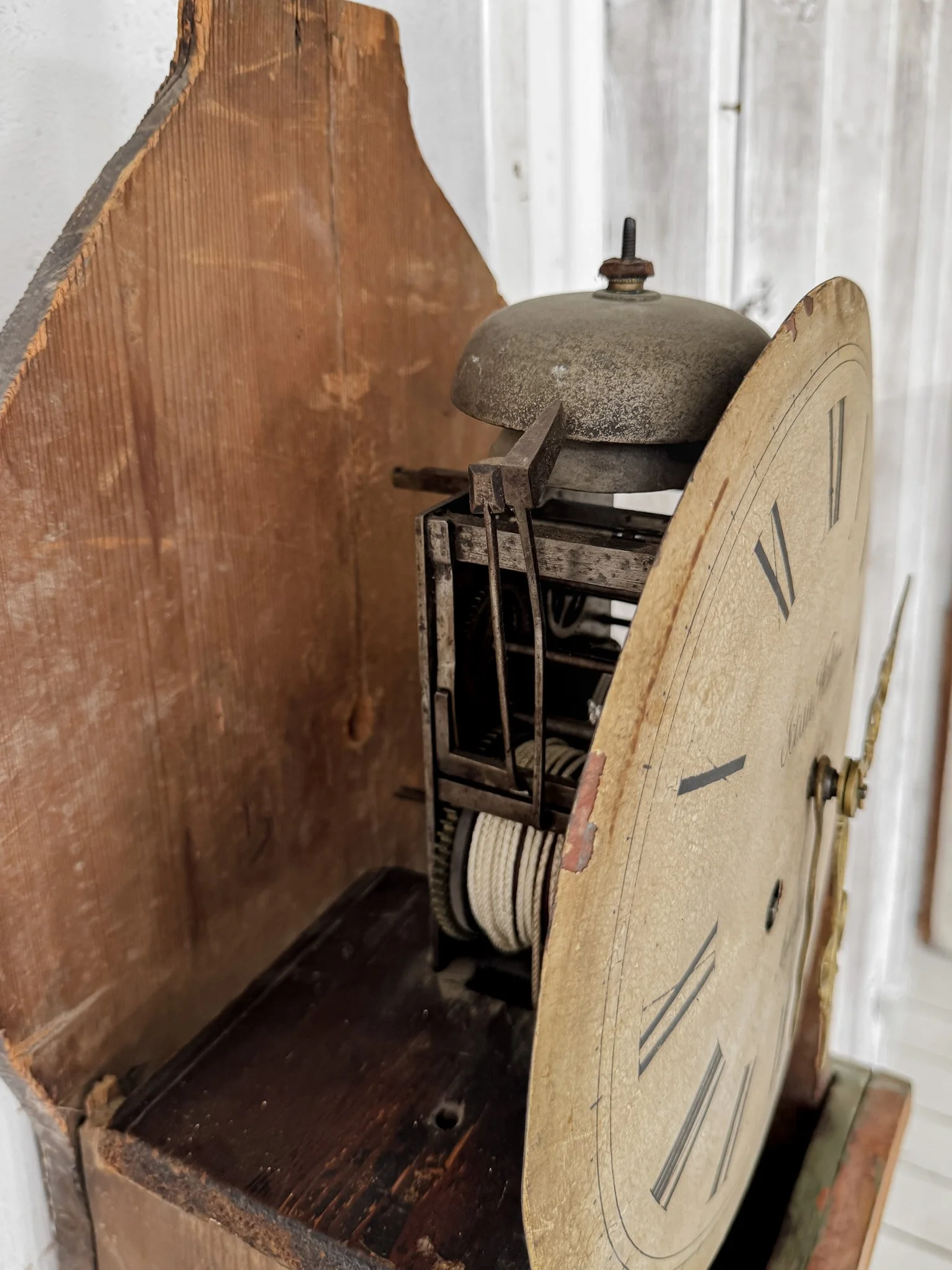 Image 21 of 29
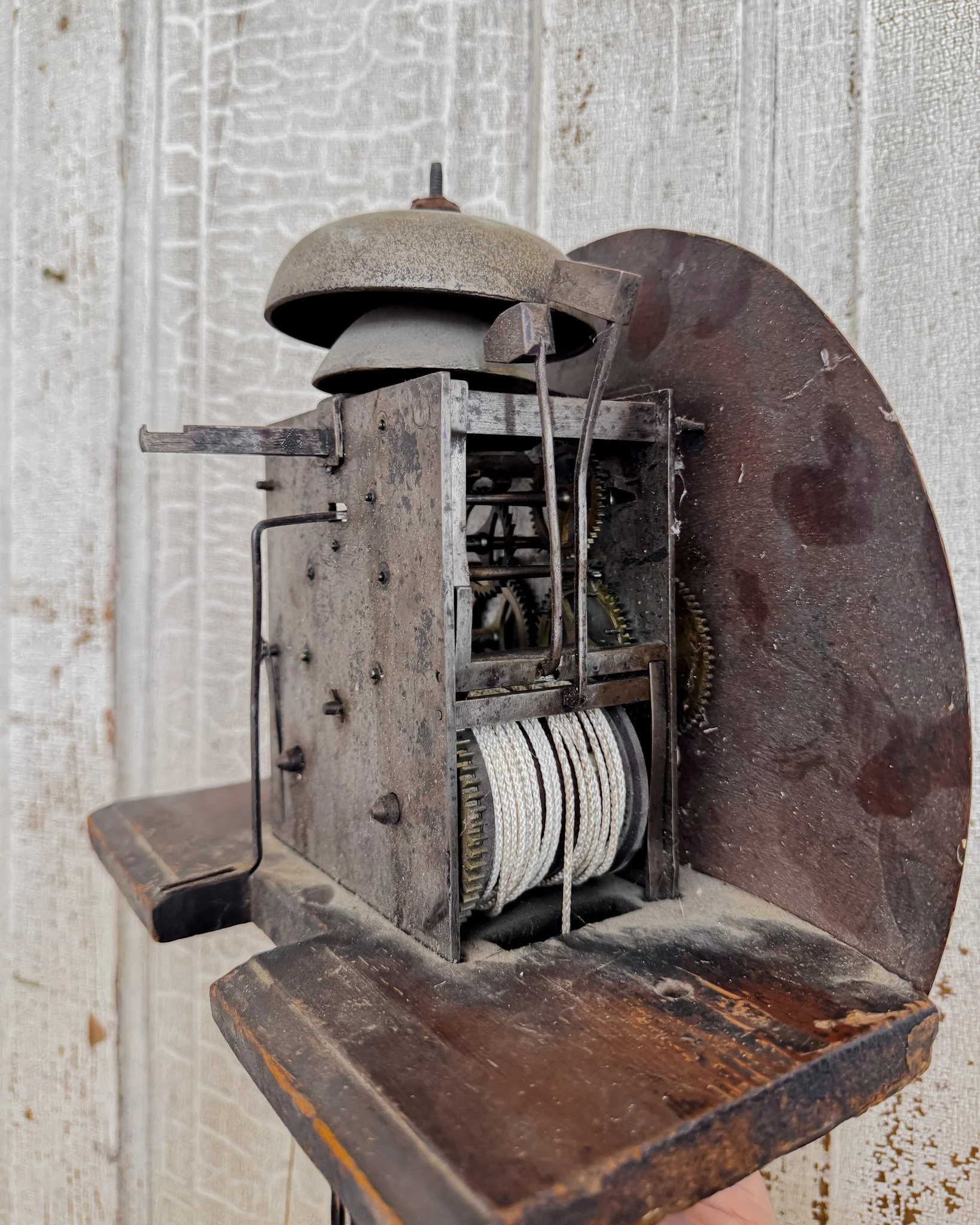 Image 22 of 29
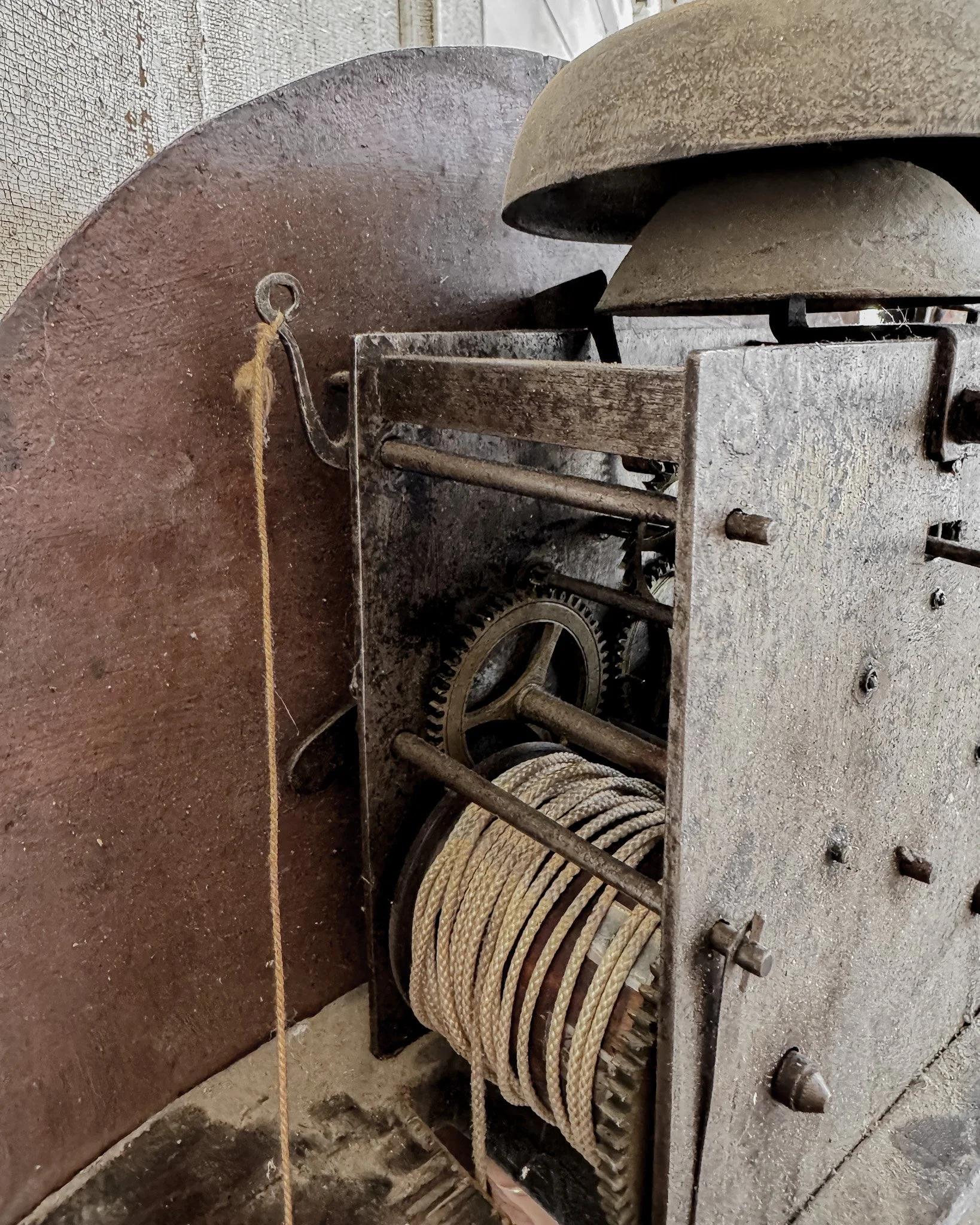 Image 23 of 29
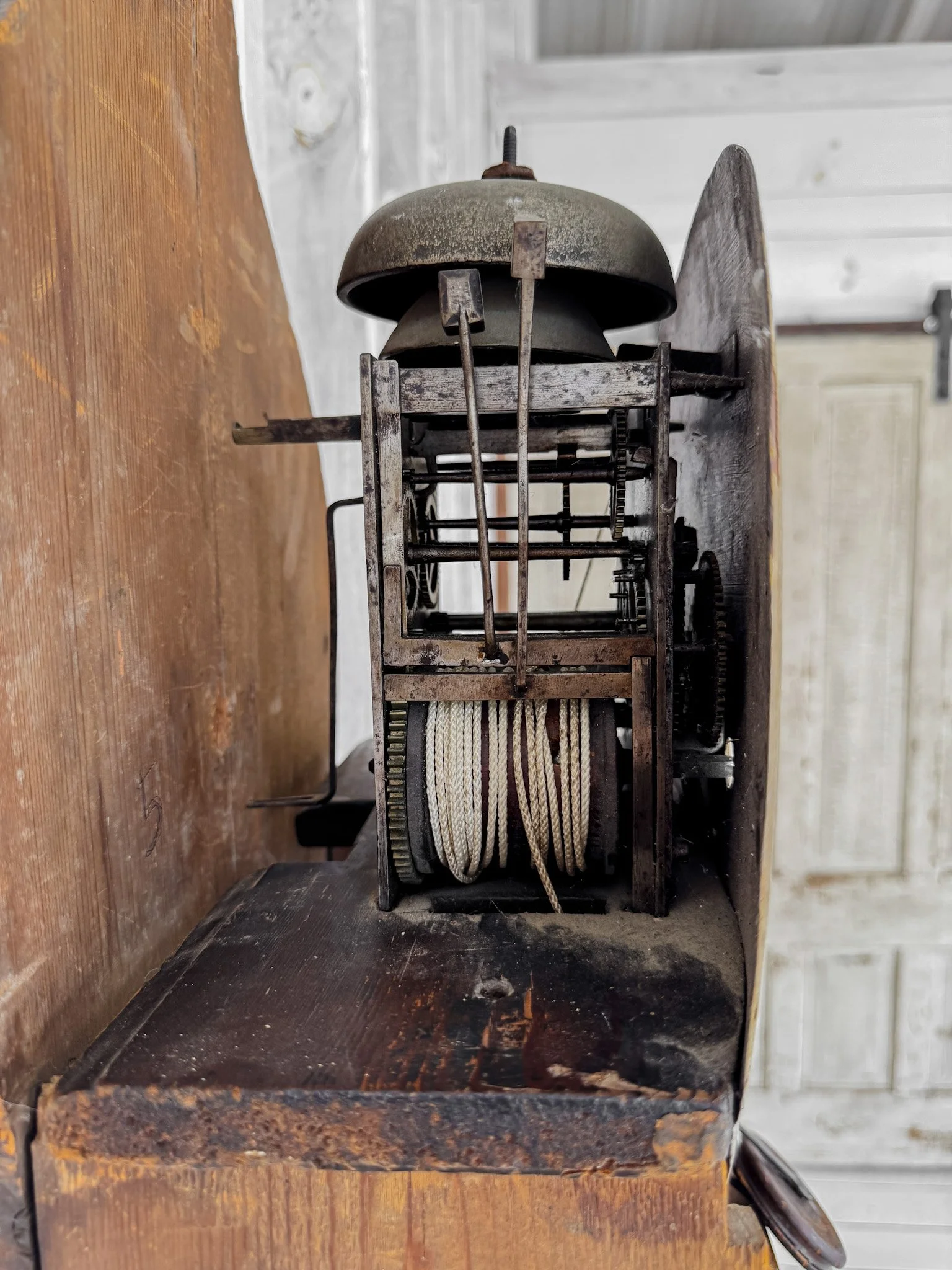 Image 24 of 29
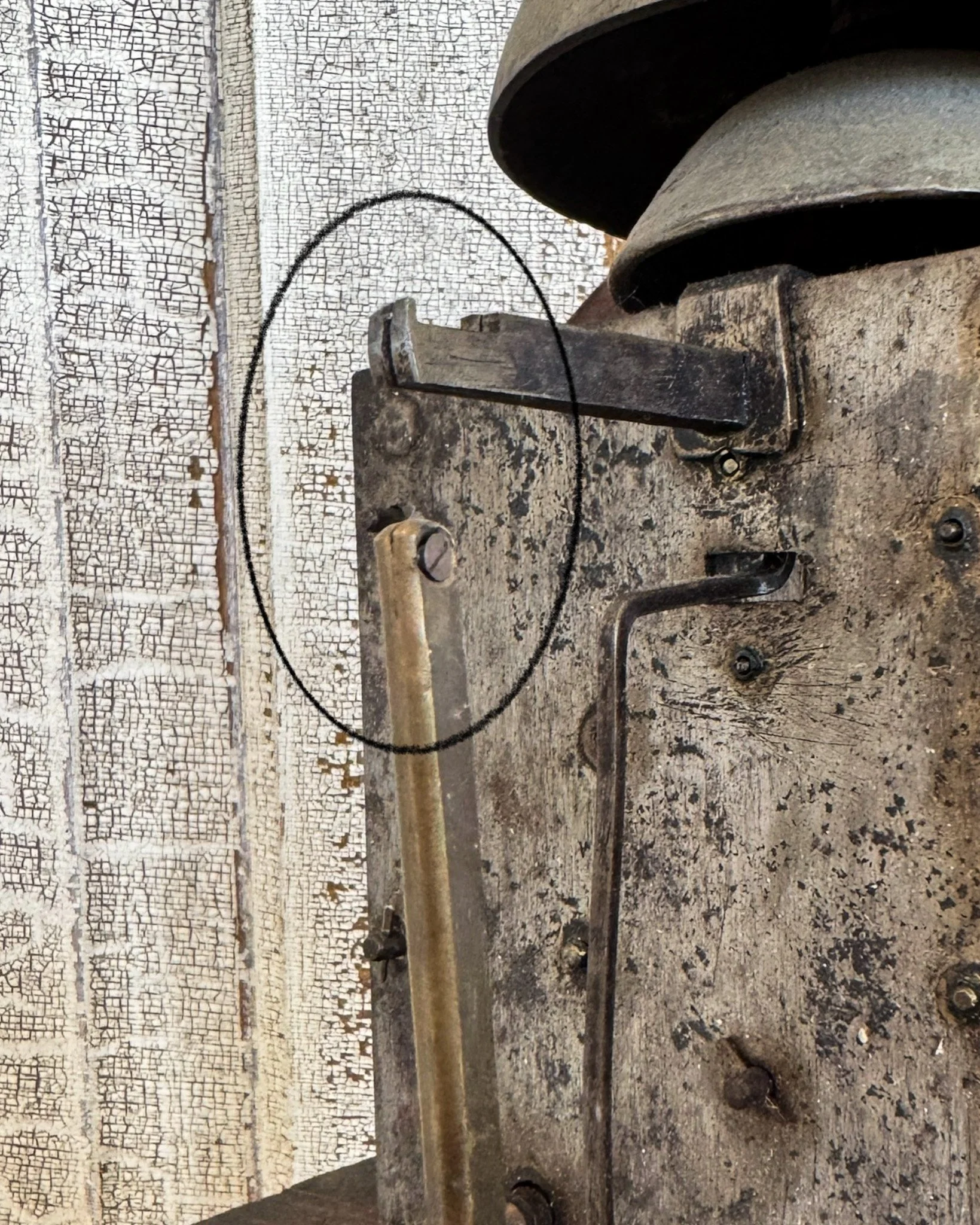 Image 25 of 29
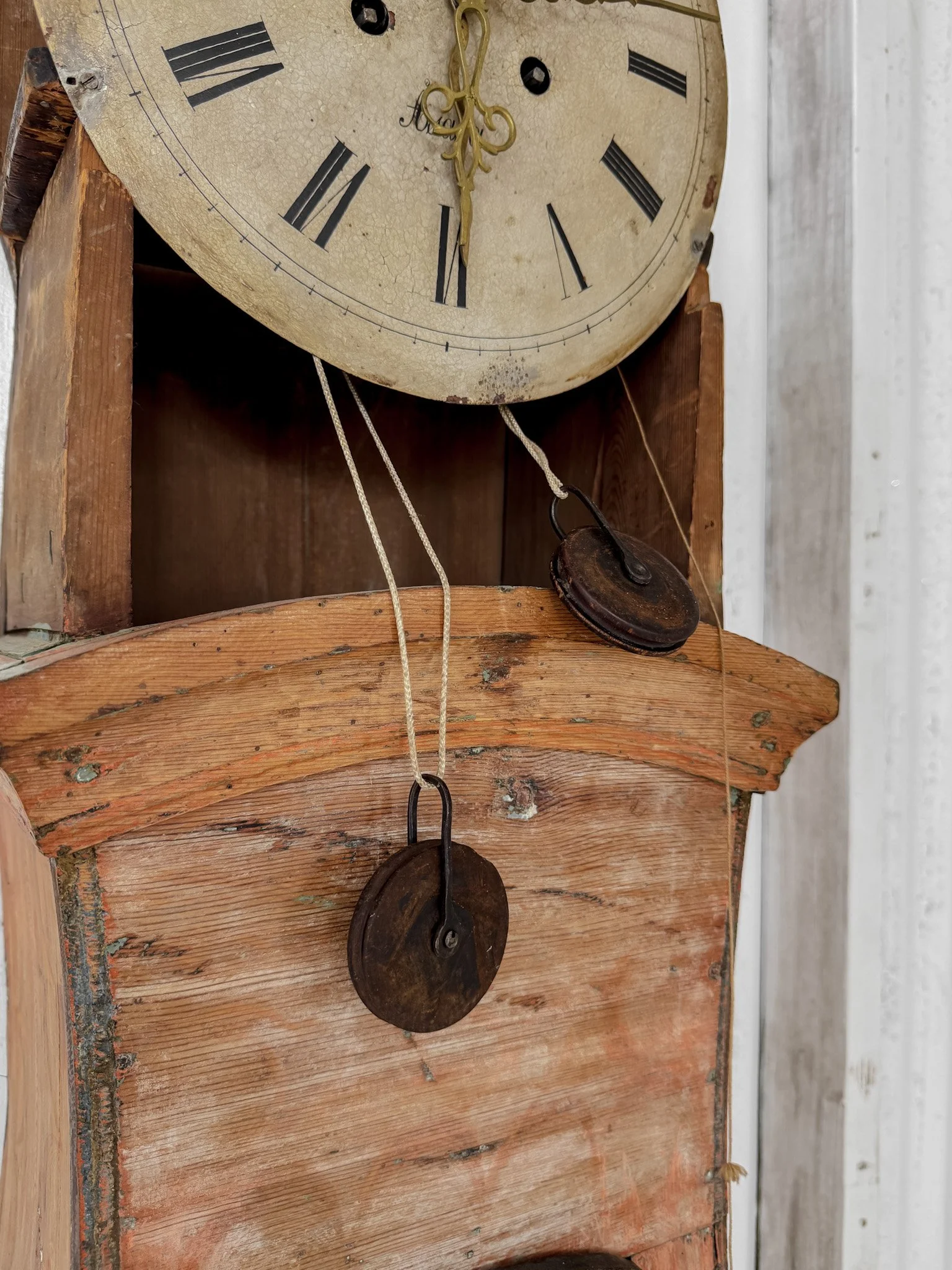 Image 26 of 29
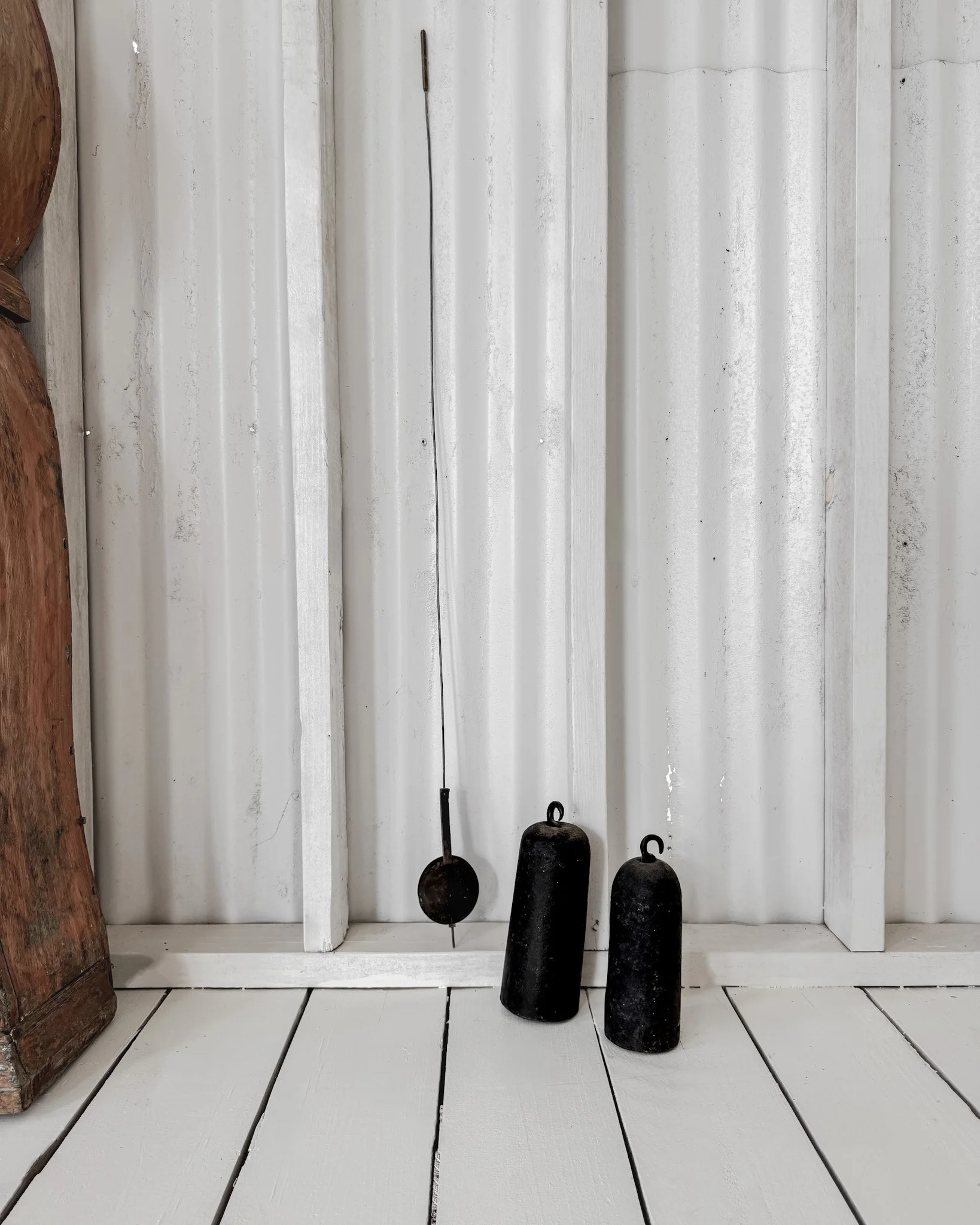 Image 27 of 29
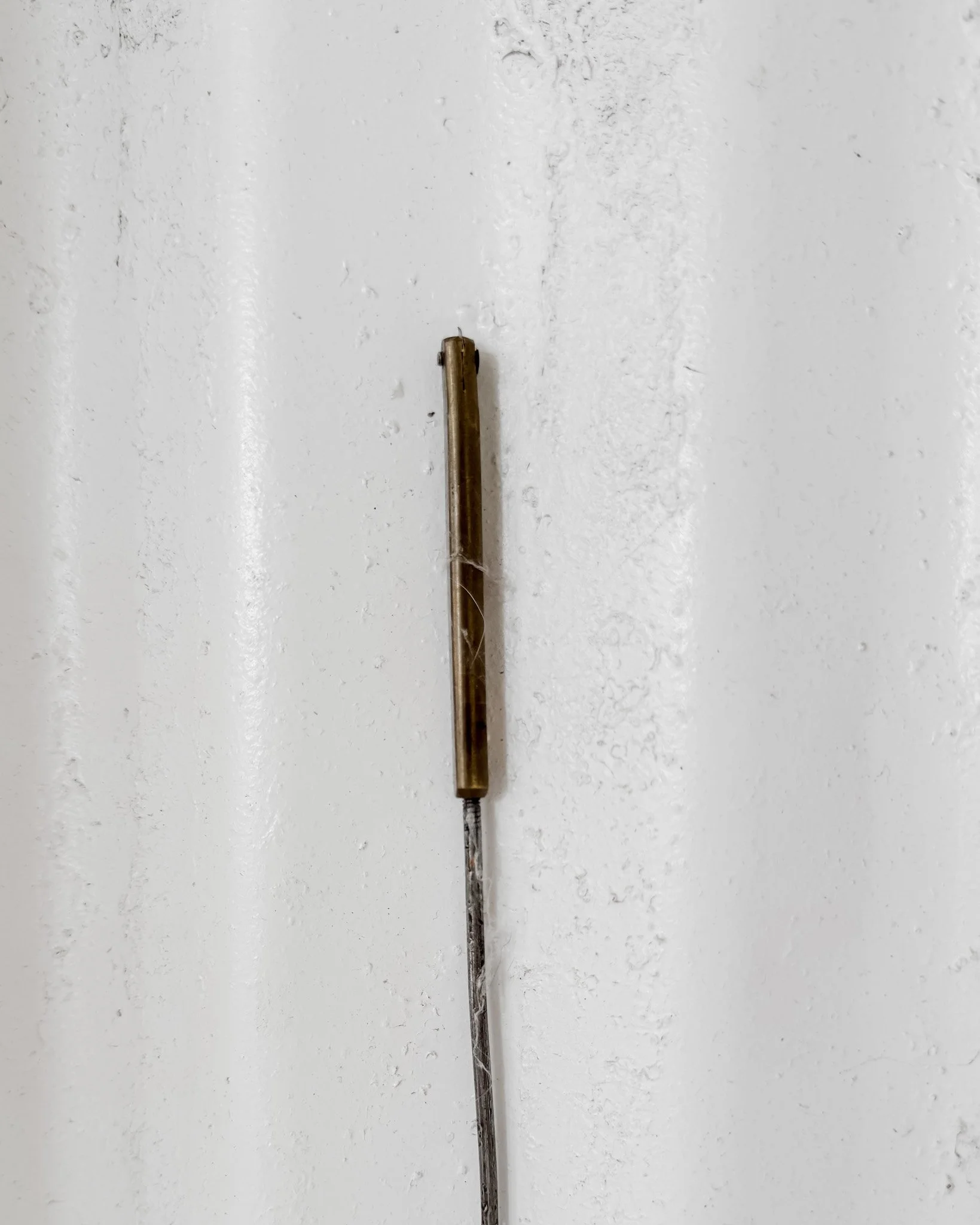 Image 28 of 29
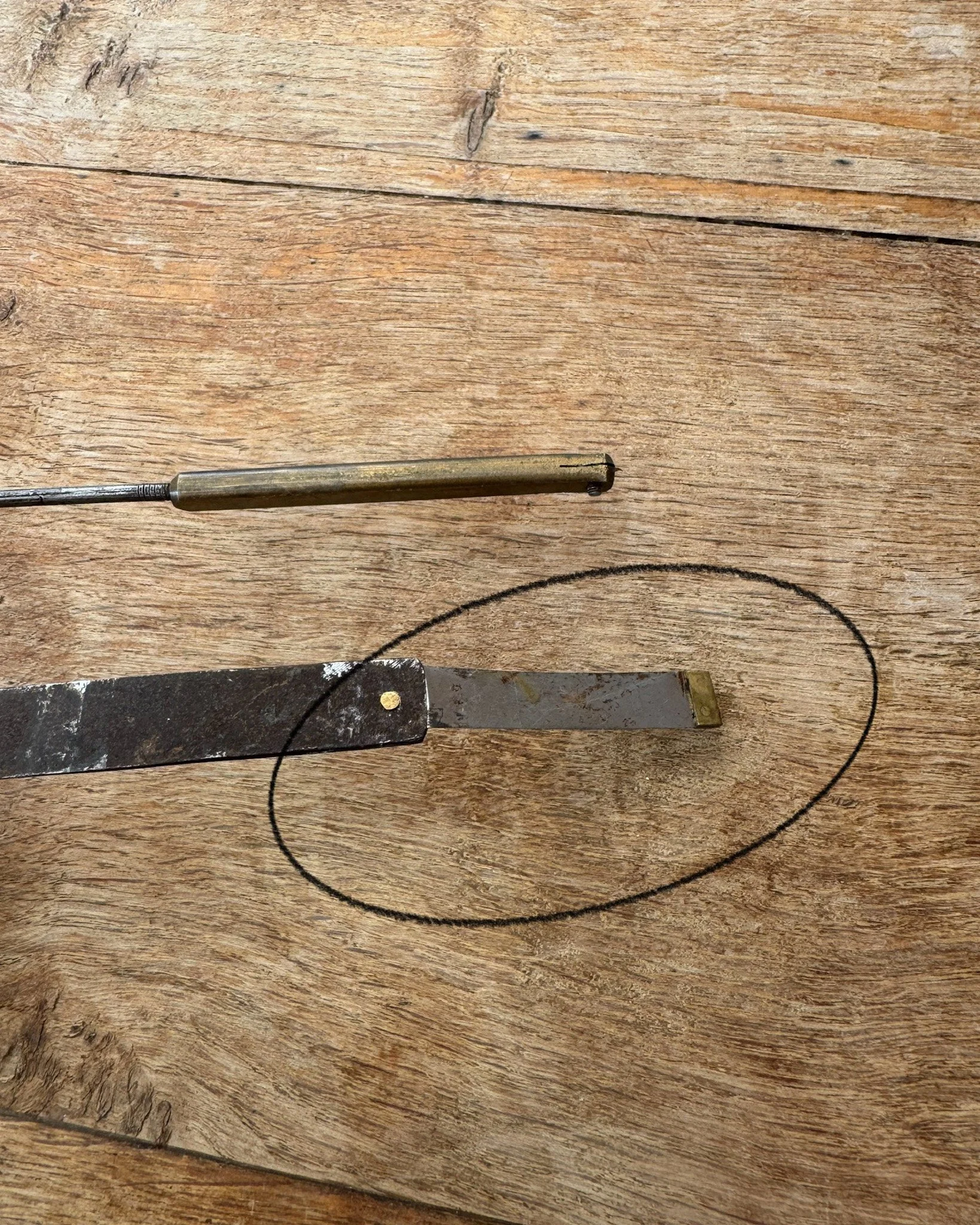 Image 29 of 29